

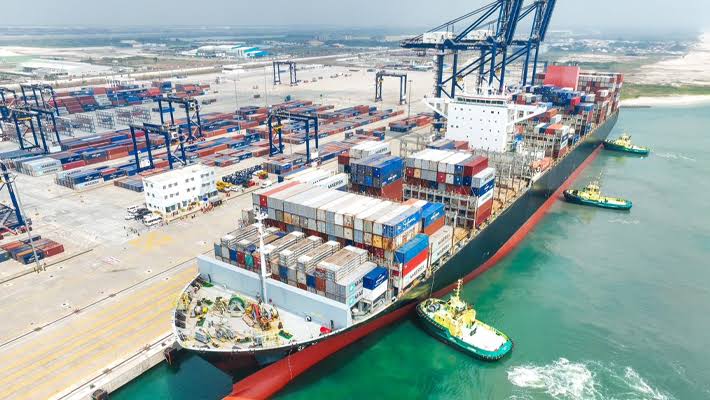
The Nigerian Ports Authority has announced that 32 vessels carrying petroleum products, food items and other essential goods are scheduled to arrive at the Apapa, Tin Can Island and Lekki Deep Sea Ports in Lagos between January 12 and January 30, signalling sustained cargo activity across the nation’s busiest maritime corridor.
According to the authority’s Daily Shipping Position released on Monday, the incoming vessels are laden with a wide mix of imports, including crude oil, aviation fuel, petrol, gasoline, condensate, bulk bitumen, fertiliser inputs such as urea, food commodities and containerised cargo. The expected arrivals reflect ongoing demand for energy products and consumables that support industrial activity, retail trade and everyday consumption across the country.
The authority also disclosed that 10 ships and tankers are already at the three ports awaiting berthing. These vessels are carrying products such as diesel, crude oil, wheat, petrol, fresh fish, raw oil, containers and bulk salt, adding to traffic pressure at the terminals while highlighting the steady flow of imports into the Lagos port system.
In addition, port operations are currently active, with 31 vessels discharging various consignments at Tin Can Island, Apapa and Lekki ports. These include fertiliser, general cargo, wheat, salt, diesel, soybeans, gas, petrol, fresh fish and containerised goods destined for different parts of the country.
For small and medium-sized businesses, especially those involved in trading, manufacturing, logistics and distribution, the steady arrival of cargo vessels is significant. Improved cargo throughput supports supply chain stability, helps moderate shortages of key inputs and creates opportunities for traders, transporters and port service providers operating around the Lagos ports.
The continued movement of ships into Apapa, Tin Can and Lekki also underscores the growing role of Lagos as Nigeria’s primary maritime gateway, with implications for import-dependent businesses and the broader economy as the country navigates supply, pricing and infrastructure challenges.