


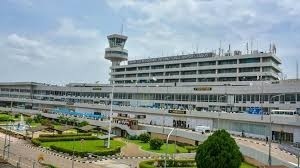
Domestic air travel in Nigeria has entered one of its most expensive periods in recent years as ticket prices on several routes have surged by nearly one hundred and fifty percent, crossing the three-hundred-thousand-naira mark. Travellers are experiencing sharp increases driven by soaring holiday demand, limited aircraft availability, and broader economic pressures that continue to weigh on choices between air and road travel.
The Checks across various booking platforms show that the steepest increases are on routes leading to the South-South and South-East regions, which record the highest travel volumes during the festive season. While airfares typically rise at this time of the year, many passengers say the current rates are the most extreme they have seen, placing air travel beyond the reach of households already grappling with higher living costs. Operators have linked the trend to a shortage of aircraft, which has reduced available seats at a time of peak demand.
Before the Yuletide rush, fares on most domestic routes were around one hundred and twenty thousand naira. However, updated fares published on airline websites now show prices soaring well above three hundred thousand naira. A Lagos–Asaba ticket, which previously cost around one hundred and twenty thousand naira, now exceeds three hundred thousand naira, with some days quoted at more than three hundred and thirty thousand naira. Abuja–Asaba flights have also crossed the three-hundred-thousand-naira band, though prices fluctuate slightly towards the end of the month.
Other carriers show similar spikes. Some airlines are offering Lagos–Asaba tickets at nearly four hundred thousand naira, while Abuja–Asaba rates fall between the mid-three hundred thousand naira range and just under half a million. Flights to Enugu, Calabar, Benin and Port Harcourt also reflect steep increases, particularly between late December dates when demand peaks. Even short flights of under an hour, such as Lagos to Benin or Asaba, now cost several times more than they did earlier in the year.
Security concerns across various road corridors continue to push many Nigerians toward air travel despite high prices. Yet, with fares climbing so sharply, some passengers are now reconsidering road transport as an alternative, regardless of the risks. The imbalance between travel demand and available capacity remains a major driver of price escalation. Operators note that multiple taxation, rising operating costs, and limited access to foreign exchange for maintenance also contribute to the pressure.
Industry operators say the shortage of aircraft remains one of the most significant constraints. Many planes belonging to Nigerian carriers are currently grounded across several maintenance facilities abroad due to prolonged checks or delayed turnaround times. A recent industry assessment revealed that Nigerian airlines are operating with fewer than forty active aircraft, far below the number required to serve national demand. Operators argue that high charges and an unfriendly regulatory environment make it difficult to maintain larger, more reliable fleets and have urged the government to reinvest aviation revenue back into the sector.
The sector has also faced unexpected disruptions. Nigeria’s largest carrier recently disclosed that several of its leased aircraft were withdrawn without notice, leading to delays and cancellations. The airline explained that it had entered a wet-lease arrangement to support capacity during the peak season as more than a dozen of its own aircraft are still undergoing maintenance abroad. The abrupt withdrawal, the airline said, violated industry norms and worsened operational strain, though some of its aircraft have now returned to service.
Aviation analysts describe the trend of rising fares as a seasonal pattern intensified by Nigeria’s unique challenges. They note that reduced capacity creates natural pressure on pricing, while peak-season travel drives demand far above available supply. Industry figures expect fares to remain high throughout the festive period but anticipate some easing once more aircraft return to operation and new airlines begin flying. They also emphasise that the sector needs urgent government support, including policy reviews and fairer agreements in international aviation partnerships, to strengthen local carriers.
While the current price surge is disruptive for families, businesses, and travellers across Nigeria, analysts believe the season continues to offer economic opportunities by boosting aviation activity and supporting tourism in destination states. They stress the need for better staff welfare within airlines to ensure that the surge in passenger volume is handled professionally and that travellers receive the level of service expected during peak holiday travel.


