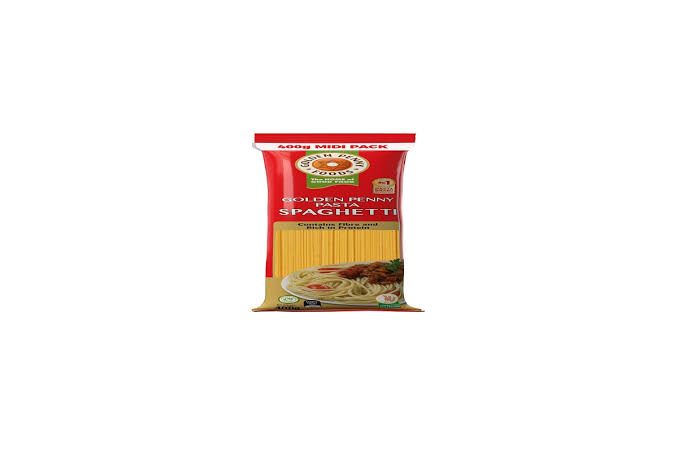


The National Agency for Food and Drug Administration and Control has issued a strong warning over the increasing circulation of food items that are already banned under Nigeria’s import regulations. In a statement released on 6 December 2025, the agency said products such as pasta, noodles, sugar and tomato paste have continued to appear in markets nationwide despite being clearly listed in the Federal Government’s Customs Prohibition List, which means they are illegal to import into the country.
The agency explained that the presence of these products undermines national food safety controls and creates room for unverified items to reach consumers without undergoing the mandatory certification required to guarantee safety and quality. It stated that importers, market traders and supermarket owners must immediately stop stocking, selling or distributing any of these products and should alert their suppliers to discontinue transactions involving them.
According to NAFDAC, anyone who ignores the directive risks sanctions that include confiscation and destruction of goods, suspension or withdrawal of licenses and prosecution under trade and food safety laws. For small businesses, especially retail shops and wholesalers, this warning signals the need to verify sources of imported goods carefully to avoid enforcement actions that may result in financial loss or temporary closure.
In its statement, the agency also drew attention to ongoing concerns about smuggling and unauthorized sale of regulated food products currently circulating across Nigeria.
It reiterated that the listed products remain prohibited and should not be found in distribution channels. To strengthen enforcement, NAFDAC called for closer cooperation with the Nigeria Customs Service, Nigeria Immigration Service, Standards Organisation of Nigeria, Nigerian Ports Authority, Nigerian Maritime Administration and Safety Agency, Nigeria Shippers Council and the Nigeria Agricultural Quarantine Service. The agency said joint surveillance and border control efforts are necessary to stop the inflow of unsafe food items and protect public health.
Beyond food-related warnings, the agency noted that it has recently issued several alerts concerning the presence of falsified and substandard medicines within the country. One warning involved a counterfeit version of Postinor-2 emergency contraceptive pills that carried batch numbers T36184B and 332 with registration number 04-6985, even though the products were not supplied by the authorised distributor. Another alert involved falsified Chloroquine Phosphate tablets discovered in Jos, which contained no active pharmaceutical ingredients despite carrying a registration number later confirmed to be invalid.
The agency also flagged a counterfeit version of Trastuzumab, a medicine used in treating HER2-positive breast cancer, which was detected in Ghana and traced back to Nigeria. The product carried batch number A8519, and investigations confirmed that the number did not correspond to any verified production batch.
The agency continues to encourage consumers, pharmacies and businesses to remain vigilant, verify products before sale or use and report suspicious items for rapid enforcement, stressing that public safety depends on continuous monitoring.



![Innova [Africa Future of Work and Entrepreneurship] Fellowship 2023](https://msmeafricaonline.com/wp-content/uploads/2023/07/WhatsApp-Image-2023-07-03-at-8.01.03-AM.jpeg "Call For Applications:Innova [Africa Future of Work and Entrepreneurship] Fellowship 2023")