

Abia State has taken a major step toward becoming a hub for technology and innovation with the signing of the Abia State Startup Law 2025. Governor Alex Otti assented to the legislation this week, domestically aligning the state with the Nigerian Startup Act of 2022.
The law establishes a clear legal and regulatory framework to support technology-enabled businesses operating within Abia. Commissioner for Information, Okey Kanu, said the law aims to nurture digital talent, attract investment, and diversify the state’s economy beyond traditional sectors. “It applies to companies with major operations in Abia and startups recognised under the national Act,” Kanu noted.
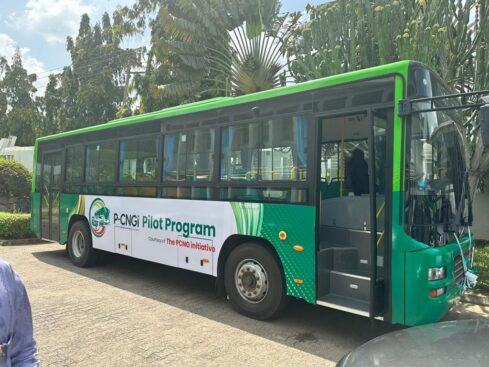
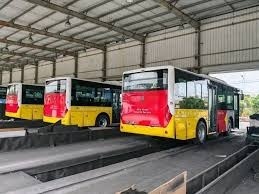
In a complementary move, the state is also rolling out a fleet of electric buses as part of the Abia Transport Transformation Project. The initiative seeks to modernize urban transportation while promoting cleaner energy solutions. The first phase involves deploying 100 electric buses, with 20 already delivered in November and another 20 expected early next year. Each bus, custom-built for Abia, can seat 40 passengers and travel up to 400 kilometres on a single charge, and features safety and comfort enhancements including cameras, charging ports, disability access, emergency exits, and fire extinguishers.
Officials said the project positions Abia among the first Nigerian states to adopt electric buses for public transit, reflecting growing interest in sustainable urban mobility amid rising fuel costs and environmental concerns.
Beyond technology and transport, Kanu highlighted other initiatives approved by the State Executive Council. The state plans to unveil its Abia 25-Year Development Plan at the International Conference Centre in Umuahia, with development partners, traditional leaders, and local government officials in attendance.
In healthcare, the Abia Global Medical Mission commenced on Monday and will run through December 20, providing free advanced medical services across designated centers. On education and skills development, 850 youths are set to graduate from the second cohort of the Abia Techrise ICT Training Programme, bringing the total number trained in 2025 to nearly 1,400.
As the year-end festivities approach, state authorities also confirmed ongoing road rehabilitation projects and heightened security measures to ensure public safety.
Abia’s coordinated push for technology, sustainable transport, and infrastructure development signals a broader effort to attract investment, create jobs, and position the state as a model for innovation-driven growth in southeastern Nigeria.