Nigeria and the United States have signed a landmark technical Memorandum of Understanding (MoU), valued at approximately $5 billion, aimed at deepening bilateral health cooperation, enhancing health security, and building a resilient national health system capable of preventing and containing infectious disease threats.
The agreement, effective from April 2026 to December 2030, allocates nearly $2 billion in US grant funding, while Nigeria has committed to dedicating at least six percent of executed annual federal and state budgets to health, expected to mobilise nearly $3 billion over the same period. The funding framework is already integrated into Nigeria’s proposed 2026 Appropriation, demonstrating the government’s intention to anchor the partnership within domestic fiscal planning, according to Coordinating Minister of Health and Social Welfare, Prof Ali Pate.
The MoU focuses on early detection, prevention, and control of emerging, re-emerging, and existing infectious diseases, including HIV/AIDS and tuberculosis. Beyond disease control, it encompasses strengthening disease surveillance systems, improving pathogen handling procedures, enhancing primary healthcare, implementing financial protection mechanisms, and providing technical assistance across the health sector. Both countries will collaborate to prevent infectious disease spread while reinforcing Nigeria’s capacity to respond effectively to future outbreaks.
The partnership builds on reforms already underway through the Nigeria Health Sector Renewal Investment Initiative (NHSRII), launched in 2023 to improve healthcare accessibility, quality, accountability, and efficiency nationwide. This initiative, implemented through a Sector Wide Approach, aligns federal, state, and local governments, agencies, civil society, private sector actors, and development partners under a unified sector plan, budget, and reporting framework. The Health Sector Renewal Compact, signed in December 2023 with participation from all 36 state governors and the Federal Capital Territory, further signalled high-level commitment to a unified, resilient health system.
A central feature of the MoU is its focus on health sector self-reliance. While US grant funding will support the initial years, Nigeria plans to progressively increase domestic health spending, reducing reliance on external financing by 2030. The partnership prioritises sustainable domestic financing, trade, and investment-based approaches rather than long-term aid dependence.
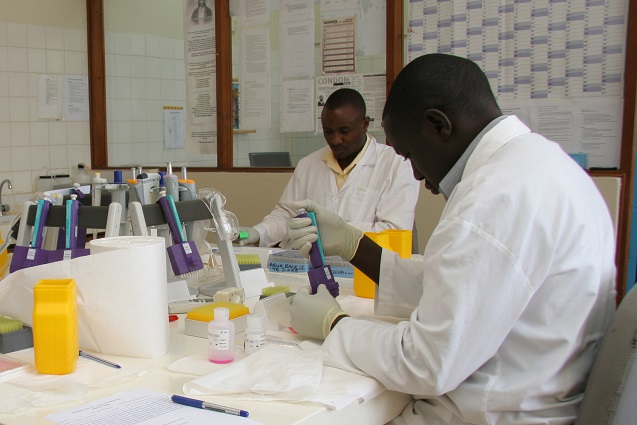
The MoU is structured around seven core areas: surveillance and outbreak response, laboratory systems, health commodities, frontline healthcare workers, data systems, strategic investment, and technical assistance. Officials described the agreement as a critical step toward consolidating health sector reforms and strengthening Nigeria’s preparedness against public health threats.