


The Federal Government (FG) has once again confirmed that Nigeria’s new tax reform laws will take effect on January 1, 2026, dismissing calls for postponement amid ongoing debates and concerns over final legislative processes.
The assurance came after a **high-level meeting between President Bola Ahmed Tinubu and members of the Presidential Committee on Fiscal Policy and Tax Reforms, led by Chairman Taiwo Oyedele. The group also included officials such as Zacchaeus Adedeji, Chairman of the Federal Inland Revenue Service (FIRS), and Joseph Tegbe, Chairman of the National Tax Policy Implementation Committee.
“The plan to commence the remaining two tax laws on January 1, 2026, will go ahead as scheduled because these reforms are designed to provide relief to the Nigerian people,” Oyedele said after the meeting.
What the Tax Reforms Mean
The upcoming phase of the reforms — centred on the Nigeria Tax Act and the Nigeria Tax Administration Act — follows earlier commencement of the Nigeria Revenue Service (Establishment) Act and the Joint Revenue Board (Establishment) Act in June 2025.
Government statements emphasise that the reforms are “pro-people” in design, targeting relief for both workers and businesses:
- About 98 per cent of workers are expected to pay no Pay-As-You-Earn (PAYE) tax or lower amounts under the new system.
- Approximately 97 per cent of small businesses will be exempted from Corporate Income Tax, Value Added Tax (VAT), and Withholding Tax, a significant move to support entrepreneurship and help MSMEs grow.
- Larger corporations will benefit from reduced effective tax rates under the revised framework.
The reforms are expected to simplify the tax structure, promote economic growth, enhance inclusivity, and strengthen compliance, with a long-term view toward boosting investment and reducing the cost of doing business.
Ongoing Legislative Clarifications
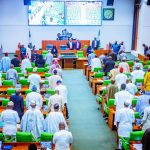
Despite the reaffirmation of the implementation date, the National Assembly has directed the re-gazetting of the tax reform laws and the issuance of certified true copies of the versions passed by both chambers, following public concerns about discrepancies between passed bills and gazetted versions. Lawmakers stress that this exercise is administrative and does not affect the legal timeline for the reforms to take effect.
The FG has welcomed the legislature’s review and reiterated willingness to collaborate where necessary to ensure clarity and transparency in the process.