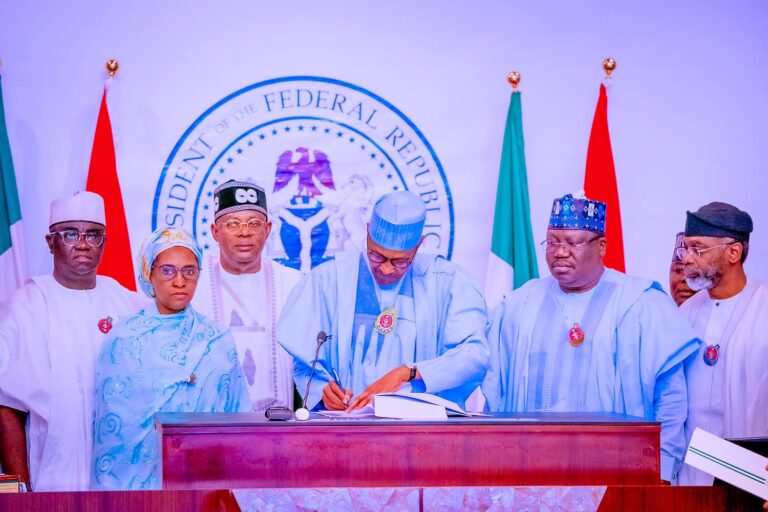
The Federal Government has reaffirmed that Nigeria’s new tax laws will be implemented as scheduled, dismissing calls by the opposition for a suspension of their commencement dates over alleged discrepancies in the gazetted version of the legislation.
Some of the tax laws took effect on June 26, 2025, while others are set to commence on January 1, 2026. The reaffirmation comes amid renewed demands by the main opposition party for a halt to the process, citing differences between the harmonised version passed by the National Assembly and the version later gazetted, a development it said had triggered nationwide concern.
In a statement from the Presidency, the government acknowledged that concerns had been raised by stakeholders but maintained that none was substantial enough to justify disrupting the reform process. It described the reforms as a rare opportunity to rebuild Nigeria’s fiscal framework on a fairer and more competitive footing.
According to the statement, the new tax laws are not aimed at increasing the tax burden but at resetting the system, harmonising existing frameworks and strengthening the social contract while protecting citizens’ dignity. The Presidency stressed that the reforms have now moved from policy formulation to the delivery stage and called on stakeholders to support their implementation.
Addressing claims of alterations to some provisions after passage, the government said it was fully aware of the public debate but insisted that no concrete issue had been established to warrant a suspension. It added that trust in governance is built through consistent, well-considered decisions rather than reactive measures taken prematurely.
The statement also reaffirmed the administration’s commitment to due process and the integrity of enacted laws, noting that it would continue to work with the National Assembly to swiftly resolve any genuine issues that may be identified.
For businesses, particularly small and medium-sized enterprises, the government’s stance signals policy continuity and certainty around the new tax framework, which authorities say is designed to create a more predictable and supportive environment for economic growth, shared responsibility and long-term prosperity.