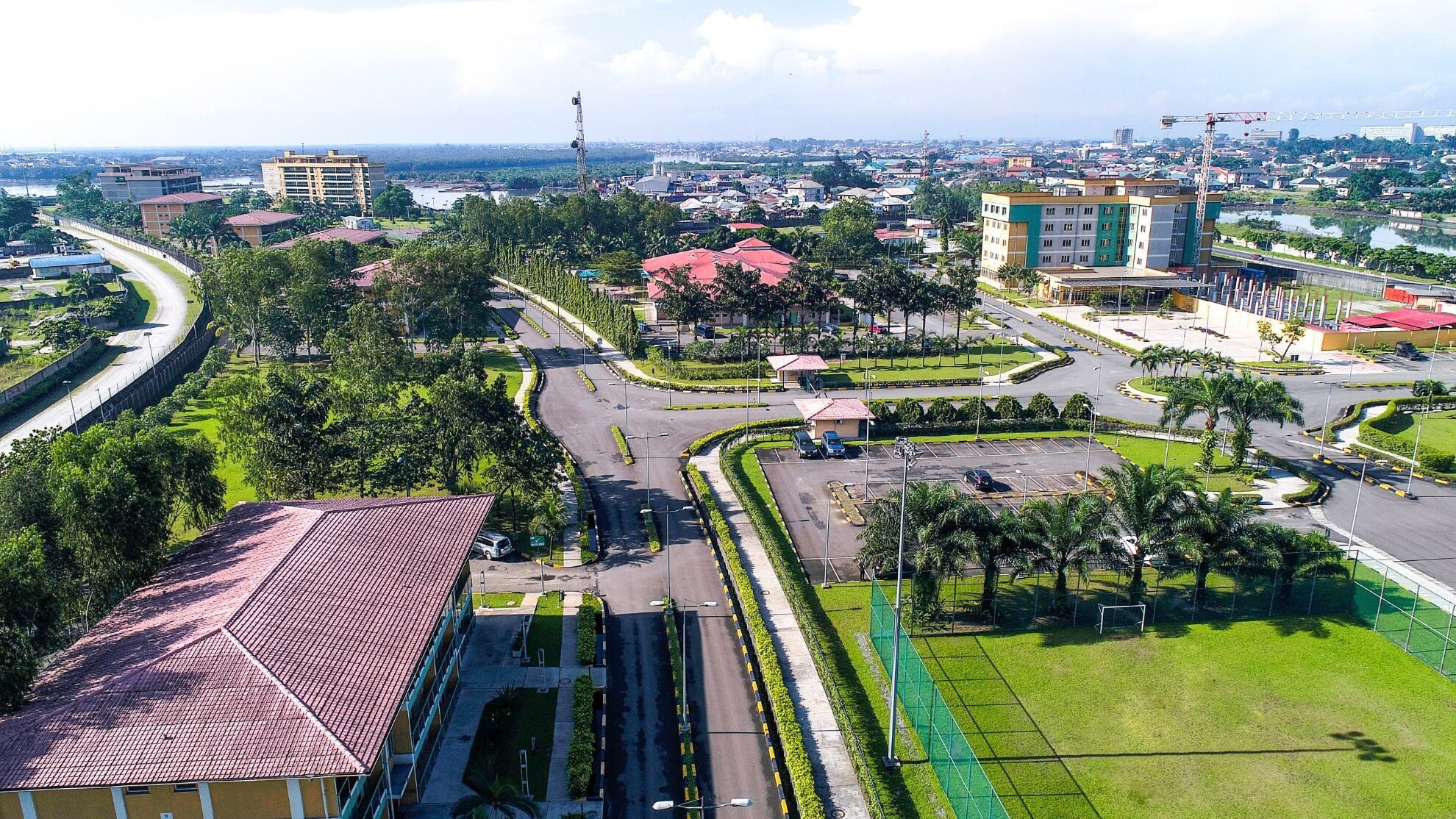


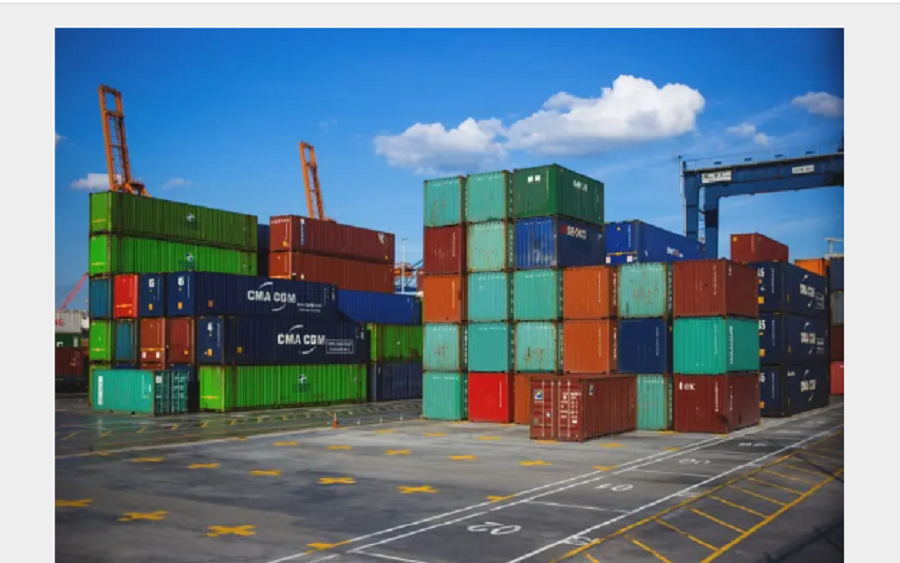
Nigeria’s Special Economic Zones generated more than $500m in export revenues and created over 20,000 direct jobs in 2025, reinforcing their growing role in the country’s push for export-led growth, industrialisation and employment creation.
This was disclosed in an official review document of the Federal Ministry of Industry, Trade and Investment titled “2025: A Defining Year for Nigeria’s Industry, Trade and Investment.” The report credits the performance of the zones to reforms implemented under the current administration and coordinated through the Nigerian Export Processing Zones Authority and the Oil and Gas Free Zones Authority.
According to the ministry, the special economic zones have increasingly become engines of industrial activity, helping manufacturers and export-oriented businesses access infrastructure, incentives and markets that support competitiveness. The contribution of the zones, it said, reflects a broader effort to reposition Nigeria’s economy around production, exports and job creation.
The ministry described 2025 as a turning point in Nigeria’s economic reset, marked by reforms that deepened industrial capacity, expanded exports and gradually restored investor confidence. It noted that the gains recorded during the year were driven by coordinated actions across investment attraction, trade expansion, export diversification and institutional strengthening, supported by collaboration between government agencies, the private sector and development partners.
Beyond the performance of the special economic zones, the report highlighted strong momentum in non-oil exports. In the first half of 2025, non-oil exports rose by 21 per cent to $12.8bn, significantly exceeding the $6.5bn target set for the period. The growth contributed to a trade surplus of N12tn, while total trade value expanded by 14 per cent, supported by trade facilitation reforms and improvements in logistics.
The ministry attributed the export growth to targeted trade reforms, improved export processes and increased value addition across key sectors of the economy. Nigeria’s leading non-oil exports during the period included cocoa and its derivatives, sesame seeds, cashew nuts, shea butter, ginger, hibiscus flowers, rubber, palm oil derivatives, fertilisers, cement and liquefied natural gas.
For micro, small and medium enterprises, the report noted deliberate efforts to build export capacity and inclusion. In partnership with the Nigerian Export Promotion Council, the ministry said it trained more than 27,000 exporters, certified 200 MSMEs for international trade and supported over 3,000 farmers through the distribution of hybrid seedlings. It also highlighted the Women Export Fund, which attracted more than 67,000 applications and provided grants to 146 women-led businesses.
On investment, the ministry reported a notable turnaround in 2025, with four priority projects valued at $13.7bn advancing from previously signed memoranda of understanding estimated at $50.8bn. It said sustained engagement with investors helped convert commitments into more concrete projects.
The report added that bilateral engagements and trade missions to key economies played a role in reshaping investor perceptions of Nigeria, improving deal quality and strengthening investment pipelines. According to the ministry, these efforts are positioning Nigeria as a more credible destination for long-term capital driven by ongoing reforms.
Looking ahead, the Federal Government said it plans to build on the outcomes of 2025 by prioritising execution, accelerating exports and sustaining investment flows in 2026, with the aim of driving job creation and delivering broader economic benefits.