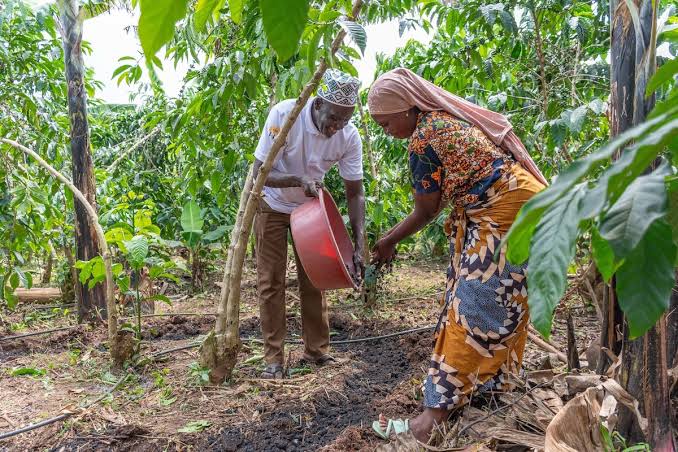
Selected farmers in Ibadan have received hands-on training on biochar production as part of efforts to improve wetland farming, enhance soil fertility and mitigate the effects of climate change.
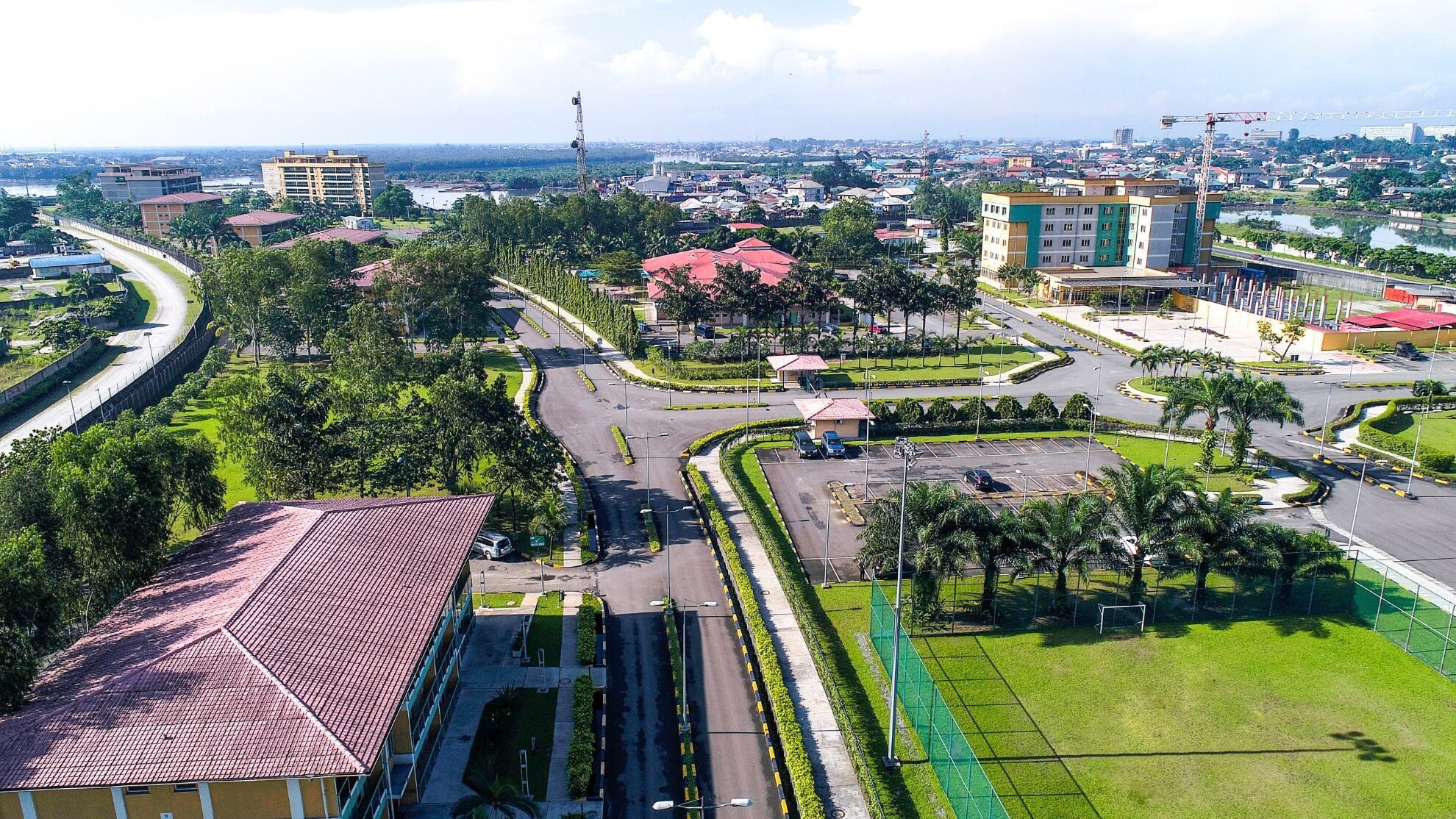
The training, held in the Apete area of Ibadan, focused on the use of biochar for wetland restoration and sustainable agriculture. It formed part of a climate resilience project supported by the Association of Commonwealth Universities under its Commonwealth Climate Resilience Network Grant and implemented through a collaboration between academic institutions in Ibadan and Port Harcourt.
The programme exposed farmers to practical methods of converting plant waste materials into biochar using simple, locally available technologies. Biochar, a carbon-rich material produced from biomass, is applied to soil to improve fertility while also serving as a long-term carbon sink capable of reducing greenhouse gas emissions from farmlands.
According to the facilitators, biochar is particularly suitable for wetlands because of its ability to absorb gases associated with global warming and retain nutrients needed for crop growth. Its application, they explained, can improve yields while reducing farmers’ dependence on expensive chemical fertilisers and manure.
The training also explored farmers’ understanding of climate change, greenhouse gas mitigation and sustainable wetland management. Participants were guided on how biochar can be produced from dry grasses, leaves and other plant residues using fabricated drums and basic moulding devices, making the process accessible to smallholder farmers.
Farmers who participated in the programme said the training highlighted cost-saving opportunities within their existing farming practices. Some noted that they currently spend large sums on agricultural waste and fertilisers, costs they believe could be significantly reduced through biochar production once basic equipment is acquired.
While acknowledging the initial cost of procuring production equipment as a challenge, beneficiaries described biochar as a viable alternative to fertilisers, whose prices have continued to rise. They expressed willingness to adopt the method, citing its long-term economic and environmental benefits.
The project team said the initiative would be extended to other wetland farming communities in Ibadan, particularly areas with a high concentration of vegetable and staple crop producers. As part of the programme, participating farmers received fertiliser support to encourage immediate application of improved soil management practices.
For small-scale farmers and agribusinesses, the initiative highlights the growing role of low-cost, climate-smart innovations in improving productivity and resilience. If scaled, biochar adoption could help reduce input costs, improve yields and support sustainable farming models for wetland-dependent communities.