

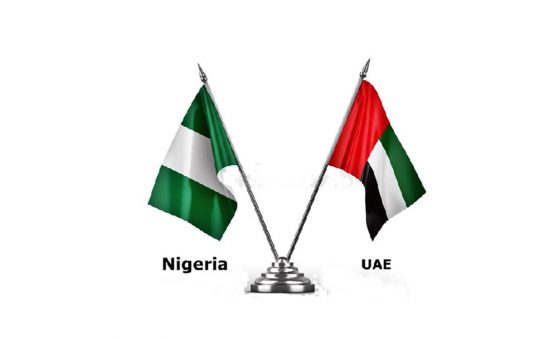
Nigeria and the United Arab Emirates are set to formalize a Comprehensive Economic Partnership Agreement during a bilateral meeting between President Bola Ahmed Tinubu and UAE President Mohammed bin Zayed Al Nahyan, on the sidelines of Abu Dhabi Sustainability Week. The agreement is aimed at strengthening economic ties, protecting investors, and boosting confidence for businesses operating in both countries.
UAE ranks among Nigeria’s top five trading partners, with non-oil commodities trade reaching $4.3 billion in 2024. The CEPA is expected to unlock over $10 billion in investments across priority sectors, including gas development for electricity generation, agriculture, manufacturing, aviation, and financial services.
Minister of Foreign Affairs Yusuf Tuggar highlighted that the agreement not only attracts UAE investments into Nigeria but also safeguards Nigerian businesses abroad, particularly in Dubai, where many operate factories and commercial ventures. “It protects the investments of Nigerians, dignifies them, and ensures they are respected wherever they go to invest or visit,” he said.
The partnership also extends to digital education and skills development. Nigeria’s Ministry of Youth Development signed a Memorandum of Understanding with the UAE Digital School under the Mohammed bin Rashid Al Maktoum Global Initiatives to expand practical skill-building opportunities for Nigerian youth through the Nigerian Youth Academy.
Tuggar emphasized that Nigeria’s participation in Abu Dhabi Sustainability Week provides a platform to translate climate commitments into actionable, bankable projects. President Tinubu’s address at the forum will outline Nigeria’s climate priorities and strategies to attract global funding for sustainable initiatives.
The CEPA follows last year’s milestone in which Nigeria secured 14 investment deals worth $5 billion with the UAE, marking a continued push to deepen trade, investment, and economic collaboration between the two nations.
This agreement positions Nigeria to benefit from strengthened bilateral ties, increased foreign investments, enhanced infrastructure development, and expanded opportunities for youth engagement in the digital economy.