

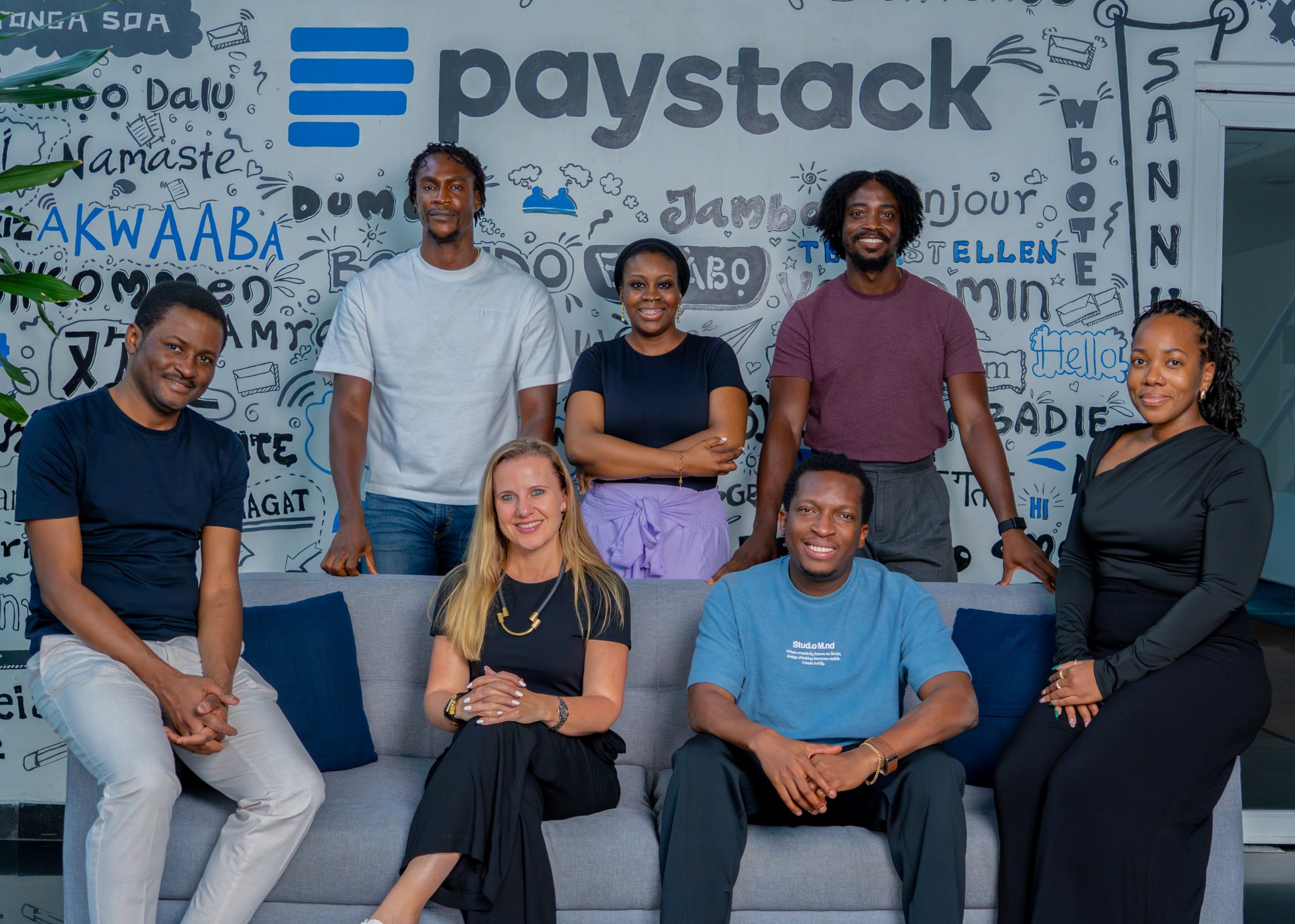
Paystack, the Nigerian fintech acquired by global payments giant Stripe, has restructured its operations under a new holding company, The Stack Group, marking a strategic shift as the company expands beyond its core merchant payments business.
The new structure brings Paystack, its consumer payments app Zap, Paystack Microfinance Bank and a venture studio under a single group umbrella, signalling a more deliberate and long-term approach to building a multi-brand technology company. While Paystack remains wholly owned by Stripe following the $200 million acquisition in 2020, The Stack Group introduces a shared ownership model involving Paystack’s chief executive officer, Shola Akinlade, Stripe and existing Paystack employees, known internally as Stacks.
Company executives say the model is designed to reward the people building the business while retaining the global backing and strategic partnership with Stripe. The launch of the holding company also coincides with a strong financial position, with the group recording profitability and positive monthly cash flow after growing payment volumes more than twelvefold since the acquisition.
The restructuring formalises a transition that has been underway for over a year. With the launch of Zap and Paystack Microfinance Bank, the company has gradually moved from being a single-product payments processor for businesses into consumer payments and regulated banking services. These new verticals allow Paystack to pursue additional revenue streams and greater control over the flow of funds it processes.
By separating its merchant payments business from newer ventures, The Stack Group allows Paystack to remain focused on its core role as a payments infrastructure provider, while Zap and the microfinance bank pursue independent strategies in Nigeria’s highly competitive consumer financial services market. The structure also reduces the risk of brand and operational confusion among merchants, regulators and partners, while preserving the goodwill Paystack has built over nearly a decade.
Executives say the move reflects the reality that the company is no longer a single-product startup but a growing group of distinct businesses. The holding company structure also simplifies regulatory oversight, as payments, banking, and consumer financial products come with different licensing and compliance requirements. Housing them under a group framework allows risks, licences, and regulatory exposure to be managed separately across business lines and geographies.
Founded in 2016, Paystack quickly rose to prominence as a cheaper and more developer-friendly alternative to Nigeria’s existing payment processors. Its acceptance into Y Combinator and rapid product-market fit positioned it for one of the largest exits in Nigerian tech history when Stripe acquired the company four years later. Since then, Paystack has expanded across five African countries and built a payments stack that processes trillions of naira in transactions each month.
With profitability now strengthening its balance sheet, the company has gained the flexibility to experiment beyond payments without weakening its core economics. This has paved the way for initiatives such as Paystack Microfinance Bank, Zap, and TSG Labs, the group’s venture studio focused on building new products using emerging technologies, including areas beyond fintech.
Despite entering consumer payments and banking markets crowded with well-funded incumbents, Paystack says it is not approaching competition as a zero-sum contest. Instead, the company frames its strategy around long-term ambition and problem-solving for African businesses, rather than short-term rivalry.
Still, analysts note that success in merchant payments does not automatically translate to dominance in consumer-facing financial services, which require deeper offline distribution and behavioural adoption. While Paystack has built strong online infrastructure, scaling consumer products will test its ability to operate beyond its traditional strengths.
By adopting a holding company structure similar to other Nigerian tech leaders, Paystack is creating room to build, acquire or shut down new ventures without undermining its flagship business. Whether its newer bets will deliver the same impact as its payments platform remains to be seen, but the creation of The Stack Group signals a clear intention to play a broader role in shaping Africa’s digital and financial future.