

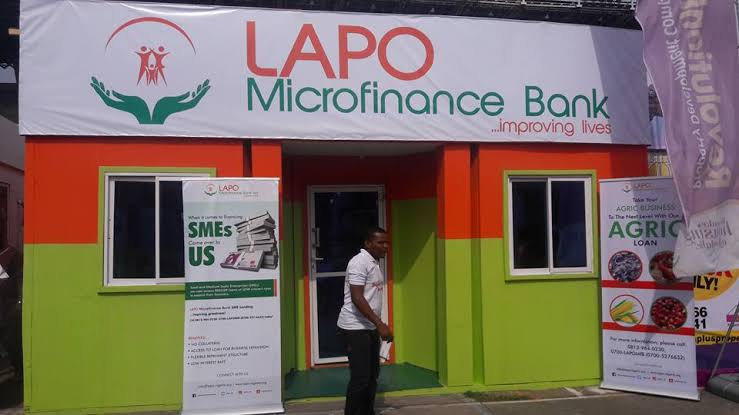
LAPO Microfinance Bank has partnered with the World Savings and Retail Banking Institute to roll out a pilot programme aimed at expanding access to climate-smart financing for women smallholder farmers and women-led businesses in rural Nigeria.
The initiative, supported by grants from the Visa Foundation and the la Caixa Foundation, is designed to promote sustainable agricultural practices, strengthen rural livelihoods and improve resilience to climate-related risks. It targets 20,000 smallholder farmers, including at least 6,600 women, alongside 5,000 micro, small and medium-sized enterprises, of which more than 2,200 are women-led.
Under the pilot, beneficiaries will gain access to financial products tailored to climate adaptation, while participating financial institutions will receive technical support to strengthen environmental and social impact. These tools include global frameworks for ecosystem-based adaptation, climate risk mapping and biodiversity assessment, alongside improved impact measurement systems. The programme will also position LAPO Microfinance Bank as a national reference institution under the Women Entrepreneurs Finance Code, a global initiative supporting gender-inclusive finance.
The partnership aligns with Nigeria’s climate and financial inclusion priorities set out in the Nationally Determined Contribution 3.0 and the National Financial Inclusion Strategy 3.0. It also fits into LAPO Microfinance Bank’s broader rural resilience strategy and WSBI’s global work on inclusive finance at the intersection of gender, climate and development.
Implementation of the pilot will be led by WSBI’s Development Finance Unit, which was established in 2023 to scale programmes that link financial inclusion with climate resilience and women’s economic empowerment, particularly in emerging markets.
The partners said the initiative reflects the growing role of retail and savings banks in addressing environmental and social challenges, especially in low-income and rural communities where climate shocks disproportionately affect women farmers and small businesses. They noted that access to climate-smart finance is increasingly critical for sustaining food production, supporting rural enterprises and reducing vulnerability to climate-related disruptions.
For Nigeria’s smallholder farmers and MSMEs, the programme offers a pathway to adapt farming and business practices to changing climate conditions while improving access to finance that is often out of reach for rural women. Rising climate risks, combined with limited access to credit, have constrained productivity and income growth across many rural communities.
- LAPO Microfinance Bank said the pilot marks its first targeted move into climate-smart financial solutions focused specifically on women farmers and entrepreneurs, building on more than three decades of work supporting low-income households and women-owned enterprises across Nigeria.
Analysts say initiatives that link climate finance with MSME development could play a critical role in strengthening rural economies, improving food security and advancing Nigeria’s broader climate and inclusion goals, particularly if successful pilots are scaled nationwide.