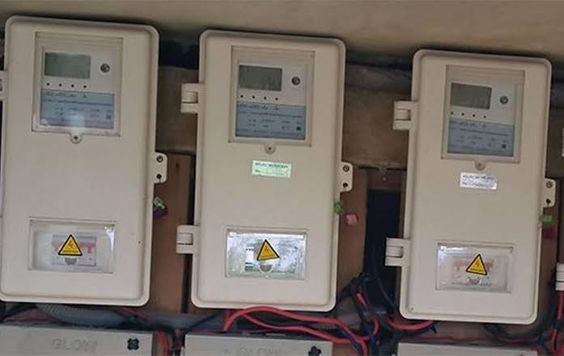
The Federal Government has barred electricity distribution companies and their installers from collecting any form of payment for electricity meters, warning that officials involved in extorting customers will be prosecuted.
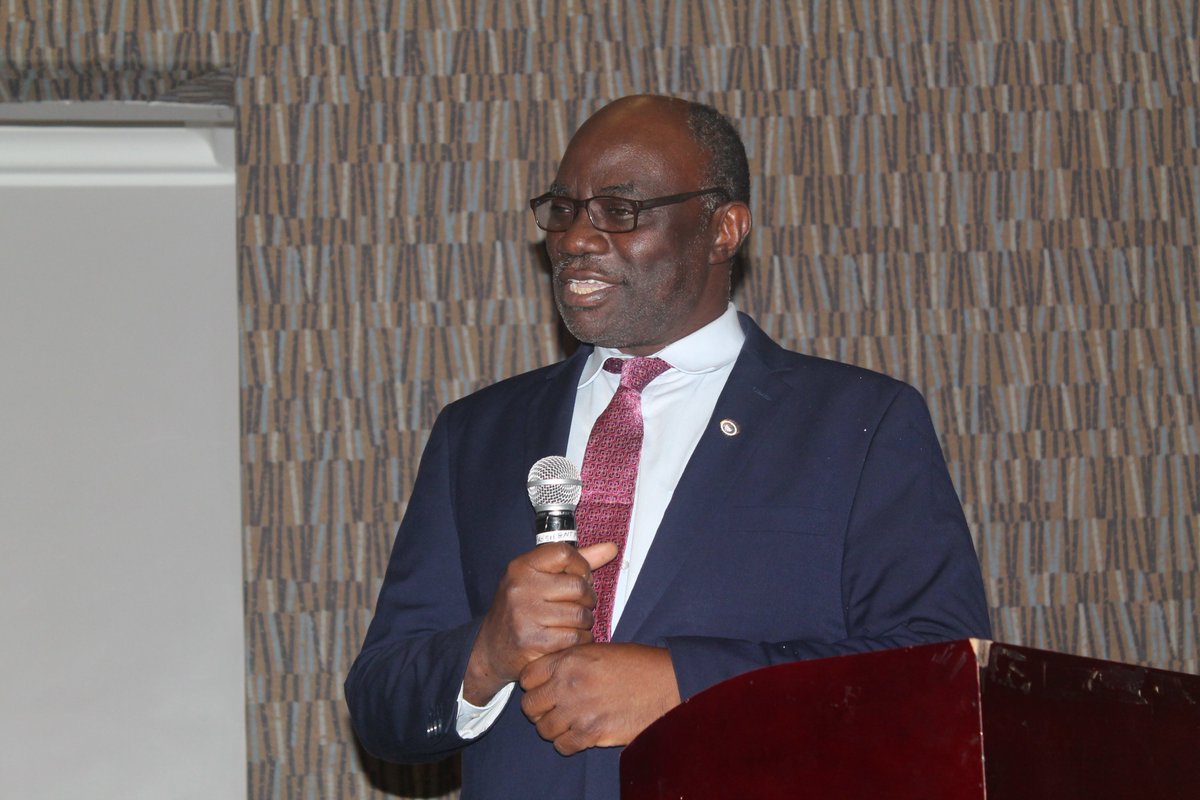
The directive was issued by the Minister of Power during an on-site inspection of newly imported smart meters at APM Terminals in Apapa, Lagos. The meters were procured under the World Bank–funded Distribution Sector Recovery Programme and are to be installed for consumers nationwide at no cost.
The government said the free distribution applies to all electricity users, regardless of tariff band, stressing that any demand for payment, whether direct or indirect, is illegal. Officials said the move is aimed at eliminating estimated billing, improving transparency in electricity charges and strengthening liquidity in the power sector.
Under the programme, about 3.4 million meters are expected to be deployed in two phases. Nearly one million meters from the first batch have already arrived, with close to 150,000 installed across distribution company networks. The latest shipment includes about 500,000 smart meters, all designed to meet the specific technical requirements of individual DisCos.
The minister said the metering drive marks a turning point in efforts to close Nigeria’s meter gap, which currently leaves more than five million customers on estimated billing. He added that full metering would make billing fairer, encourage consumers to pay their electricity bills, and stabilise revenues across the power value chain.
To curb abuse, the government plans to track installations closely and introduce complaint channels that allow consumers to report any request for illegal payments. Regulatory bodies at both federal and state levels will oversee compliance, while confirmed cases of extortion will be publicly prosecuted to deter others.
The authorities also plan to create a register for unmetered customers, allowing households and businesses to submit their details for validation and faster installation. Officials said data gaps and inaccurate customer records have slowed past metering efforts, and these issues are now being addressed in collaboration with DisCos.
From a business perspective, widespread metering is expected to benefit micro, small, and medium enterprises that rely heavily on electricity for daily operations. Accurate billing could help small businesses better manage energy costs, reduce disputes with DisCos, and improve confidence in the power system.
Officials coordinating the programme said new regulatory guidelines will soon compel distribution companies to grant unhindered access for meter installations. They added that the meters are configured with anti-theft features and cannot be transferred across DisCo territories, reducing the risk of diversion.
Meter manufacturers involved in the rollout said installations already carried out were completely free, urging consumers not to make any payments. They also disclosed plans for mobile registration systems that could allow eligible customers to receive meters within days of signing up.
The government said the free metering programme reflects a broader push to fix long-standing structural problems in the power sector, improve service delivery and support households and businesses through more predictable and transparent electricity billing.