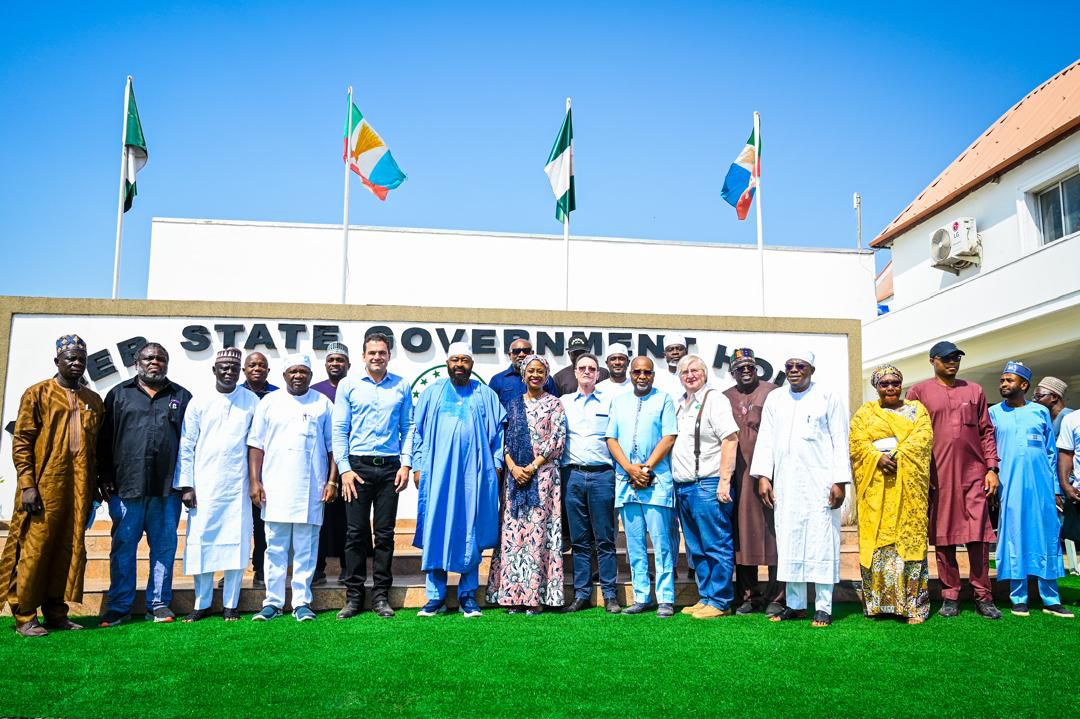
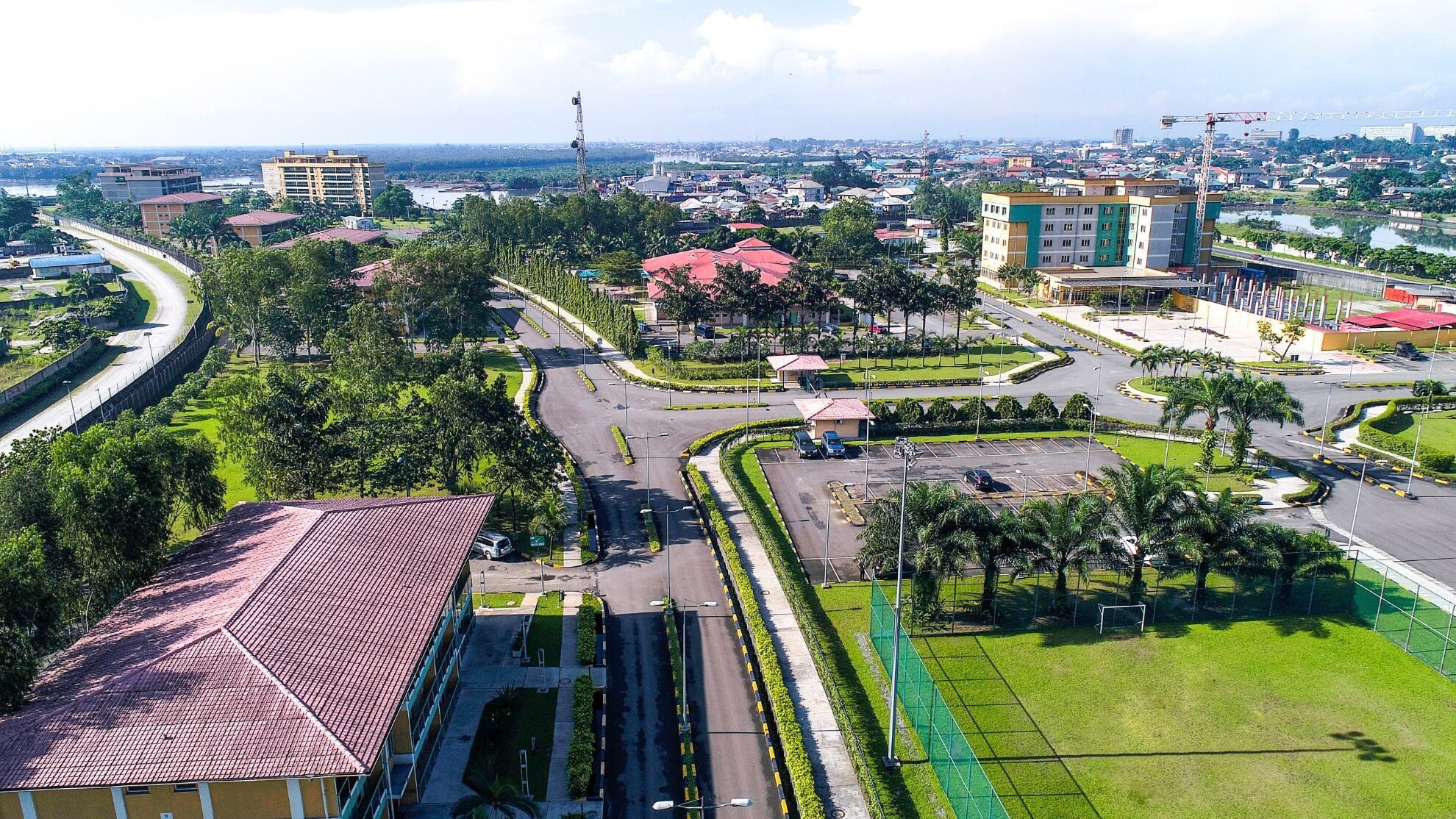
The Niger State Government has taken a major step to strengthen agriculture, livelihoods, and rural development by presenting a Certificate of Occupancy to the Federal Government for the Sustainable Integrated Productive Communities (SIPC) programme. The initiative, designed to create structured settlements for farmers, integrates mass housing, agriculture, renewable energy, and enterprise development to foster inclusive growth.
The handover, which occurred 13 days after the signing of a Memorandum of Understanding (MoU), formalises Niger State as the pilot location for the initiative. The agreement was signed at the Federal Ministry of Finance in Abuja, with the ministry acting as the anchor institution and the Ministry of Finance Incorporated (MOFI) providing support for asset optimisation and private sector investment mobilisation.
Speaking at the event, Minister of State for Finance, Doris Uzoka-Anite, emphasised that the programme is more than a housing scheme; it is a structured settlement plan for farmers designed to strengthen agricultural value chains, improve productivity, and create sustainable livelihoods. She noted that rural-urban migration, insecure settlements, and poor infrastructure have long constrained farming communities, and the SIPC model directly addresses these challenges.
“By anchoring farmers in stable communities with access to basic infrastructure, this project will enhance productivity, reduce post-harvest losses, improve security, and encourage youth participation in agriculture. Simply put, when farmers are properly settled, agriculture becomes more efficient, more attractive, and more profitable,” Uzoka-Anite said.
She further explained that MOFI’s involvement ensures public land is converted into productive economic assets, blending government resources with private sector investment for sustainability, transparency, and shared risk. The settlements will feature renewable energy solutions, solar-powered homes and community facilities, water supply, access roads, and environmentally responsible construction.
Earlier, Governor Mohammed Bago highlighted the programme’s transformative potential for agriculture and industrial development in Nigeria. “This project will bring a revolution in industrialisation, agriculture, livestock, security, and more,” he said, revealing that Niger State is prepared to contribute up to three million hectares of land from its 8.4 million-hectare land bank. He also pledged mechanisation support, including tractors and combined harvesters, for local farmers to boost production.
The programme is structured to provide farmers with homeownership through mortgage schemes, improve rural nutrition, and raise living standards. MOFI Managing Director, Armstrong Takang, stressed that the initiative converts previously unproductive land into sustainable communities, offering residents livelihoods, access to education, safe housing, and urban-level amenities without the need for migration to major cities.
The SIPC programme represents a major innovation in linking agriculture, housing, and enterprise development in Nigeria, offering a scalable model for sustainable rural development, inclusive growth, and food security.