

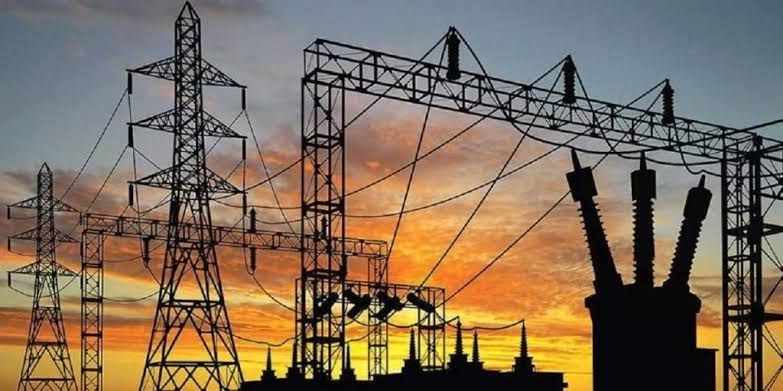
Nigeria was plunged into widespread darkness on Friday after the national electricity grid collapsed, cutting power supply across the country and recording the first system failure of 2026.
Data obtained from the Nigerian Independent System Operator showed that electricity generation dropped to 0 megawatts at about 1:00 pm, signalling a total shutdown of the grid. The collapse forced electricity distribution companies to halt supply nationwide, triggering blackouts that disrupted households, public services, and business activities.
Consumers across several states reported losing power shortly after midday, with small and medium-sized enterprises among the most affected. For many MSMEs, the outage translated into halted production, interrupted services, and increased dependence on generators and inverters, further raising operating costs in an already challenging business environment.
Electricity distribution companies including Benin, Eko, Enugu, Ikeja Electric, Jos, Kaduna Electric, Kano, Port Harcourt, Ibadan, Abuja, and Yola all recorded zero power allocation during the collapse. The data confirms a complete shutdown of the national grid, an event that significantly disrupts economic activity nationwide.
The incident adds to a pattern of recurring grid failures. In December, Nairametrics reported that Nigeria’s national grid collapsed, leaving power supply across most parts of the country at near-zero levels. Similar outages were recorded in September and March, plunging several regions into darkness.
Although the cause of Friday’s collapse was not immediately disclosed, power sector experts have consistently linked such failures to inadequate generation capacity, transmission constraints, frequency instability, gas supply challenges, and technical faults within the transmission network. Despite ongoing reforms and the recent unbundling that led to the establishment of the Nigerian Independent System Operator, structural weaknesses in transmission and distribution continue to undermine reliable electricity supply.
Grid collapses are usually followed by a phased restoration process, with generation gradually ramped up to stabilise the system. During this period, businesses are forced to rely on alternative power sources, a situation that disproportionately affects MSMEs with limited capacity to absorb higher fuel and energy costs.
The Federal Government has previously attributed frequent nationwide blackouts to the inability of electricity distribution companies to fully take up power generated. Data from the Nigerian Electricity Regulatory Commission shows that the national grid recorded several partial and total collapses in 2024, intensifying concerns over the reliability of Nigeria’s power sector.
Power sector stakeholders continue to call for urgent investment in transmission infrastructure and improved system management, warning that persistent grid failures pose a serious threat to productivity, business sustainability, and economic growth, particularly for small businesses that form the backbone of the economy.