African business leaders have renewed calls for deeper regional integration and sustainable financing to unlock stronger trade and investment ties between Africa and the Gulf states, as discussions intensify around building more efficient economic corridors between both regions.
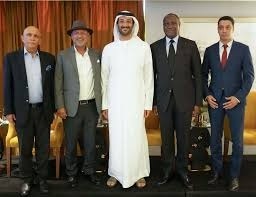
The call was made on the sidelines of a high-level forum in Doha, Qatar, where policymakers, investors, and industry leaders gathered to examine a core pillar of Africa–Gulf cooperation. Conversations at the meeting centred on strengthening trade corridors, modernising port infrastructure, and integrating logistics systems to improve the flow of goods, capital, and people between the two regions.
Participants stressed that Africa’s trade potential remains largely underutilised due to weak regional harmonisation, fragmented systems, and policy inconsistencies across countries. Drawing lessons from the Gulf Cooperation Council model, speakers highlighted how aligned structures in areas such as central banking coordination, visa regimes, and trade facilitation have helped the Gulf region accelerate economic growth and cross-border commerce.
While acknowledging the progress recorded under the African Continental Free Trade Area in reducing tariffs and trade barriers, concerns were raised about persistent mobility challenges within the continent. Restrictive visa processes continue to limit the movement of entrepreneurs, skilled workers, and investors, thereby slowing the pace of intra-African trade.
A continent-wide visa framework, similar to those operating in more integrated regions, was identified as a critical reform that could significantly increase intra-African travel and stimulate trade and investment flows. Improved mobility, stakeholders argued, would particularly benefit small and medium-sized enterprises that rely on cross-border markets, regional supply chains, and easier access to new customers.
Discussions also focused on the urgent need for long-term, low-interest financing structures to support Africa–Gulf trade expansion. Speakers noted that many African sectors, especially agriculture, agro-processing, and export-oriented manufacturing, require patient capital and sustained infrastructure investments due to longer return cycles.
Without financing models that reflect Africa’s investment realities, including extended gestation periods and higher upfront risks, many viable projects remain unattractive to global capital. However, participants maintained that with the right financial instruments and risk-sharing mechanisms, Africa offers significant returns across strategic value chains.
Despite the challenges, the forum reinforced confidence in Africa’s economic prospects, describing the continent as a market of vast opportunity where risks and returns coexist. The consensus was that deliberate policy reforms, improved integration, and fit-for-purpose financing could unlock substantial value for both African and Gulf investors.
The Africa–Gulf Cooperation Dialogue was described as an important step toward developing a shared framework for stronger trade, investment, and connectivity between the two regions, with implications for economic growth, job creation, and MSME expansion across Africa.
AA&R Investment Group, a diversified investment company with operations across several sectors of Nigeria’s economy, participated in the dialogue as part of broader private sector engagement aimed at deepening Africa–Gulf economic relations.