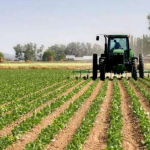


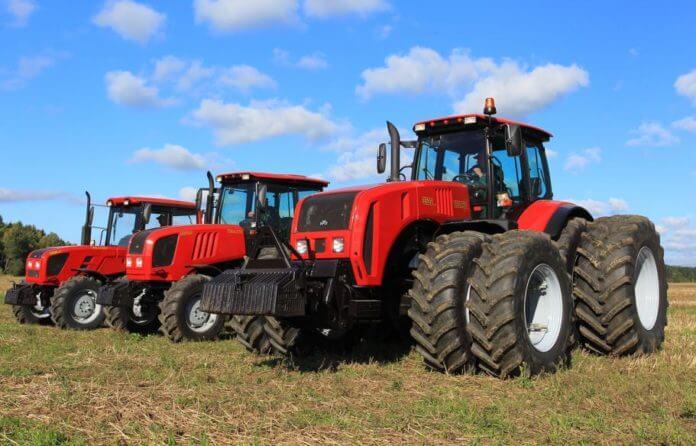
The Bank of Agriculture has explained that the delay in distributing the 2,000 tractors acquired under the Federal Government’s Renewed Hope Agricultural Mechanisation Programme is part of a deliberate effort to reform Nigeria’s mechanisation system and ensure broader, more sustainable access for farmers.
The Managing Director of the bank said the tractors, which were supplied by Belarus and formally received by the Federal Government in February, were never intended to be handed directly to individual farmers. Although distribution was flagged off in June 2025, the bank chose to pause direct rollout in order to align implementation with the national mechanisation masterplan.
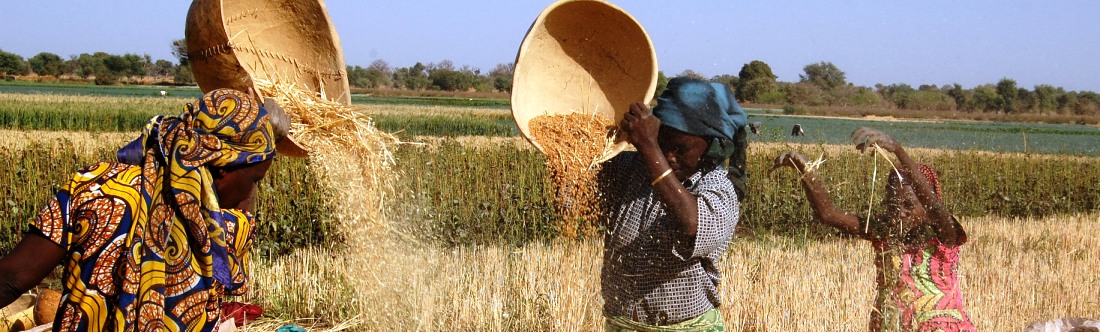
According to the bank, distributing tractors to individuals would limit impact and exclude millions of farmers. With more than 69 million farmers across the country, allocating 2,000 tractors to 2,000 people would concentrate benefits among a small group and undermine equitable access. The tractors, purchased with public funds, are therefore being positioned as shared economic assets rather than personal property.
Under the revised approach, tractors will be allocated to mechanisation service providers who can serve multiple farming communities. The bank described tractors as business tools rather than personal farming assets, noting that service providers are better equipped to maximize utilisation, ensure maintenance, and extend services to smallholder farmers and agribusinesses that cannot afford ownership.
The bank disclosed that it received over 110,000 applications from mechanisation service providers nationwide. These applications are currently being screened, with about 4,000 firms expected to be shortlisted and 2,000 eventually qualifying to receive tractors from January 2026. Successful applicants are required to demonstrate financial capacity, provide a 25 per cent deposit, and show the ability to cultivate at least 500 hectares.
By spreading the tractors across the 36 states, the bank estimates that each state will have between 80 and 100 tractors, allowing for coverage of over 100,000 hectares collectively and extending mechanisation services to millions of farmers. The bank stressed that the process will be strictly merit-based, warning that any tractor allocated through political influence will be withdrawn.
To improve access and transparency, the programme will be supported by digital tools that allow farmers to book tractor services through a mobile application. Payments will be based on actual usage rather than fixed instalments, a model expected to make mechanisation more affordable for smallholder farmers, cooperatives, and agribusiness operators. The system will digitally track work done and automatically generate invoices based on the hectares cultivated.
Funds recovered from the pay-per-use model will be reinvested to expand the programme beyond the initial 2,000 tractors, with plans to scale to 4,000 units and eventually reach 40,000 tractors nationwide. As part of the supporting infrastructure, the bank has also procured 36 mobile service trucks and plans to establish tractor hubs across the six geopolitical zones.
The bank said the restructured model is designed to support agricultural productivity, strengthen rural agribusinesses and ensure that public investment in mechanization delivers long-term value across Nigeria’s farming economy.