

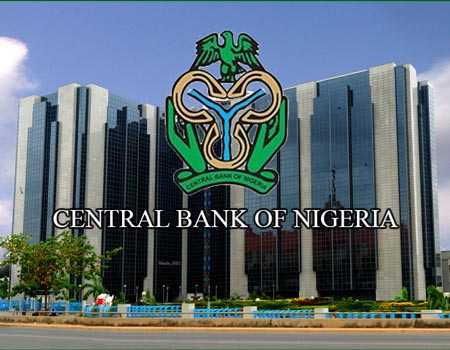
Nigeria’s economy is projected to grow by 4.49 per cent in 2026, with inflation easing to an average of 12.94 per cent, according to the Central Bank of Nigeria’s latest economic outlook. The apex bank said the improved outlook would be driven by greater foreign exchange stability, rising oil output and the impact of ongoing structural reforms, signalling a more supportive environment for businesses, especially small and medium enterprises.
The central bank also projected that external reserves would rise to $51.04 billion in 2026, while lending costs are expected to decline as inflation moderates. Together, these trends are expected to strengthen confidence in the domestic economy, improve access to finance and reduce operating pressures for MSMEs that have struggled with high borrowing costs and currency volatility in recent years.
Reviewing developments over the past year, the CBN described 2025 as a period of global uncertainty and domestic economic recalibration, but one that laid the foundation for recovery. The bank said its recent actions focused on restoring macroeconomic stability, rebuilding confidence in the financial system and improving policy credibility, with analysts expecting further gains in 2026.
According to the outlook, key priorities for the coming year centre on inflation control, stronger growth, rising foreign reserves and improved non-oil export earnings. The bank expects structural reforms in oil, tax administration and the foreign exchange market to sustain disinflation and support broader economic expansion, with non-oil sectors playing a more prominent role.
The CBN’s report projects improved performance in services such as telecommunications and financial services, alongside stronger activity in oil and gas and growing contributions from non-oil sectors. For MSMEs, the emphasis on non-oil growth and exchange rate stability could translate into lower import costs, improved planning certainty and better opportunities in export-oriented value chains.
The Financial policy developments over the past year also reflect a cautious shift toward supporting growth. While the central bank kept its benchmark interest rate at 27 per cent at its final policy meeting of 2025 to allow inflation cool further, it reduced the deposit rate, signalling growing confidence in the disinflation trend. The bank noted that as inflation becomes more firmly anchored, policy rates would be adjusted in line with economic data, a move that could gradually ease financing conditions for businesses.
The CBN said Nigeria’s economy has moved from crisis management to laying the groundwork for sustainable recovery, citing stronger quarterly growth in 2025 and consistent moderation in inflation. Inflation, which peaked at over 34 per cent in late 2024, declined steadily through 2025, restoring some purchasing power to households and easing cost pressures for firms.
The bank emphasised that price stability remains central to sustainable growth, noting progress in strengthening monetary policy transmission, improving data analytics and ending monetary financing of fiscal deficits. These steps, it said, are helping to anchor expectations and improve the effectiveness of policy tools.
On the external front, the CBN said the projected rise in reserves builds on improved balance of payments performance in 2025, when the country recorded a surplus and higher reserve levels compared with the previous year. Relative stability in the foreign exchange market was attributed to domestic reforms, higher capital inflows, increased export receipts and expanding local refining capacity, trends expected to strengthen further in 2026.
The outlook also projects a sharp rise in the current account surplus to $18.81 billion in 2026, supported by strong exports, steady diaspora remittances, increased oil and gas output and improved domestic refining. Portfolio investment inflows and external borrowing are expected to keep the financial account in a net borrowing position, reflecting anticipated investor interest driven by attractive yields.
Economic analysts have welcomed the improving indicators but cautioned that sustaining the recovery will require consistency and inclusive growth. They argue that while gains in inflation moderation, growth and investment confidence mark real progress, Nigeria must deepen reforms and ensure that growth translates into tangible benefits such as job creation, rising incomes and improved productivity, particularly for small businesses and informal enterprises that employ a large share of the population.
Stronger oil production, recovery in services and improved agricultural output are expected to underpin growth, while recent GDP rebasing has provided a clearer picture of the economy by capturing previously underrepresented sectors such as digital services, modular refining and the creative industries. These sectors, analysts say, present new opportunities for MSMEs in innovation, employment and value creation.
The World Bank has also expressed optimism about Nigeria’s growth trajectory, projecting three consecutive years of expansion through 2027. While global growth is slowing amid trade tensions and heightened uncertainty, the bank said Nigeria’s steady growth outlook stands out, even as challenges such as inflation, infrastructure gaps and unemployment persist.
Against a difficult global backdrop, Nigeria’s economic reforms are beginning to reshape expectations. For MSMEs, the combination of easing inflation, improving foreign exchange stability and gradual reduction in lending costs could mark a turning point, provided reforms are sustained and growth becomes more inclusive across sectors and regions.