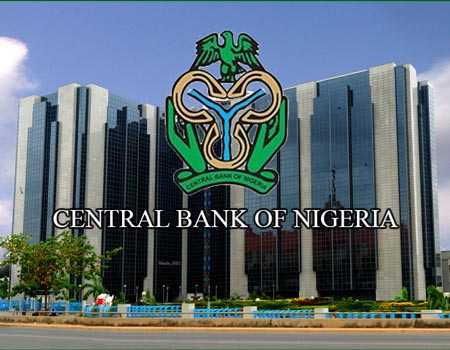
The Central Bank of Nigeria has intensified efforts to strengthen operational discipline across the financial system, ensuring that cash remains accessible to Nigerians at all times. Driven by a determination to restore public confidence, the apex bank’s measures are yielding noticeable relief for millions who rely on cash for everyday transactions and business activities.
A pivotal step in addressing the long-standing cash scarcity challenge was the creation of a special committee chaired by CBN Governor Olayemi Cardoso. The committee conducted a comprehensive review of Nigeria’s cash lifecycle—from production and distribution to end-user access—identifying structural bottlenecks and recommending practical solutions. The outcome has transformed cash availability, particularly during the festive season. For the first time in several years, Nigerians experienced the Christmas and New Year periods without widespread complaints of naira shortages.
Bank customers across major cities, including Lagos, Abuja, Kano, and Calabar, reported smoother access to cash at bank branches, ATMs, and Point of Sale terminals. Traders and small business operators praised the improvements, noting that better cash availability allowed them to plan activities with greater certainty. Observations at banking districts such as Ibeju-Lekki, Victoria Island, and Ikoyi revealed fewer long queues, while ATMs were adequately stocked, allowing for quicker withdrawals.
Mrs. Nkiru Onyema, a customer in Lagos, described her experience as a welcome departure from past frustrations, noting she withdrew N20,000 over the counter in just 10 minutes. Stephen Abiodun echoed similar sentiments, highlighting the ease of accessing cash from ATMs without encountering delays.
Dr. Uju Ogubunka, President of the Bank Customers Association of Nigeria, lauded the development but stressed that sustaining progress requires proactive cash management by financial institutions, particularly during periods of heightened demand.
Explaining the improvements, Governor Cardoso noted that the holistic assessment enabled the CBN to address root causes rather than temporary fixes. Measures included recalibrating cash-printing models, issuing guidelines on optimal ATM-to-card ratios, enforcing sanctions on non-compliant banks, and intensifying supervision of payment agents and POS operators nationwide.
Beyond cash management, the CBN has accelerated Nigeria’s digital finance transformation. Over 12 million contactless payment cards are now in circulation, while the regulatory sandbox has expanded to accommodate more than 40 fintech innovators. Revised agent-banking guidelines have strengthened anti-money-laundering controls, enhanced consumer protection, and improved integration among switching companies, making Nigeria one of Africa’s most advanced digital payments markets.
In addition, the CBN recently directed banks and financial institutions to ensure uninterrupted use of foreign-issued payment cards across ATMs, POS terminals, and online platforms. The circular, issued by the CBN’s Financial Policy and Regulation Department, outlines compliance measures including multi-factor authentication, clear disclosure of exchange rates, and adherence to approved withdrawal limits. Banks and acquirers must also implement strong KYC procedures, maintain records, and provide training to merchants and agents.
The apex bank has also enforced sanctions against Deposit Money Banks that failed to provide adequate cash during peak periods. Each defaulting bank was fined N150 million, reinforcing the message that compliance is critical to public confidence and economic stability. Investigations continue into cash hoarding and illegal sales, with the CBN working alongside security agencies to enforce operational rules.
Governor Cardoso stressed that the CBN’s focus remains on fostering trust, ensuring stability, and maintaining seamless cash circulation. He also highlighted the success of Nigeria’s fintech sector, which has produced eight of Africa’s nine unicorns and driven financial inclusion through innovative digital solutions.
“The improvements in cash availability and digital payments reflect our dual commitment: promoting innovation while safeguarding stability in the financial system,” Cardoso said, noting that the measures ensure Nigerians can access funds efficiently, safely, and reliably.