

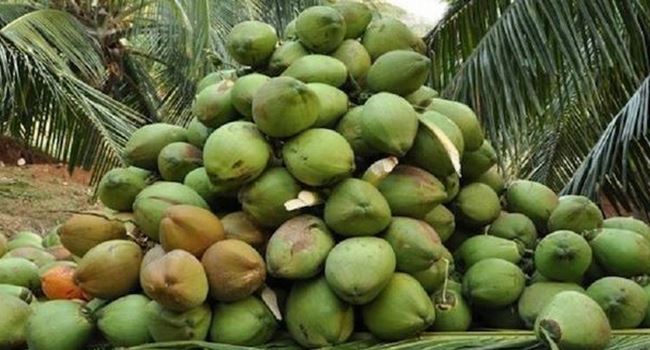
The Food and Agriculture Organisation (FAO) of the United Nations, in partnership with the Lagos State Ministry of Agriculture and Food Systems, has expressed commitment to drive investment in the red meat and coconut value chains.
During a roundtable meeting to discuss investment strategies for both value chains on Tuesday, in Lagos, the FAO representative in Nigeria and ECOWAS, Hussein Gadain, said Lagos is strategic in engendering Nigeria’s food security.
Represented by Tofiq Braimah, FAO programme officer, he stated that through the Ministry of Agriculture and Food Systems, Lagos has demonstrated bold leadership and unwavering commitment to building a sustainable agri-food system.
He noted that the UN’s FAO is proud to stand with Lagos as a trusted partner on this transformative path, adding that the collaboration is anchored on strategic investment analysis in key value chains.
“These value chains include coconut, livestock, and feedlot systems to attract private-sector and multilateral investments.
“By leveraging Lagos’ industrial potential and commercial networks, we aim to unlock new economic opportunities, create decent jobs, and empower the vibrant youth population.
“This approach positions Lagos to fully exploit AfCFTA opportunities, making it a model for agricultural transformation across Africa,” he said.
On his part, the permanent secretary of the Lagos State Ministry of Agriculture and Food Systems, Mr Audu, represented by the director of veterinary services, Rasheed Macaulay, said Lagos is ready and up to the task for the investments.
Mr Audu said FAO’s collaboration reflects a shared commitment to moving beyond policy dialogue to practical, investment-driven solutions for food systems transformation.
The two-day investment roundtable was aimed at validating key investment proposals under the Lagos State Red Meat Initiative and the Coconut Value Chain Programme.
The roundtable followed extensive technical support provided through the FAO Technical Cooperation Project: “Technical Support for Feasibility and Value Chain Analysis of Lagos State Cattle Feedlot Farm Estate” and the FAO–UNIDO–supported Coconut Value Chain Programme.
Both initiatives have produced significant detailed economic and financial analyses and investment notes that require stakeholder support in resource mobilisation and implementation.