

The Islamic Development Bank (IsDB) is set to invest $163 million in a solar electrification project in Niger State, aimed at providing an alternative and reliable source of electricity for communities across the state.
Announced by the Chief Press Secretary to the Governor on 26 January 2026, the Niger State Solar Electrification Project, code-named NGA1063, is expected to cover 200 hectares and generate 100 megawatts of solar power. The project is designed to support industrialization, boost agricultural productivity, and drive economic growth throughout the state.
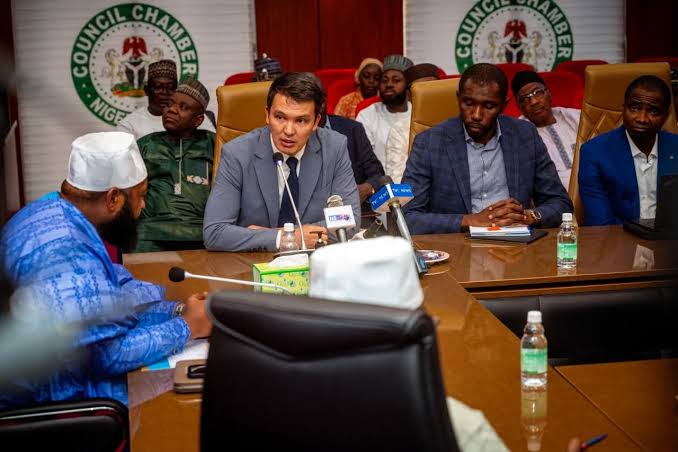
Governor Mohammed Umaru Bago welcomed the IsDB preparation team, highlighting the state’s ongoing investments in agriculture and noting that the solar project would complement these efforts by enhancing food production and industrial development. He described the Bank’s involvement as pivotal to improving productivity, generating revenue, and addressing multiple sectoral challenges.
The IsDB’s Task Team Lead, Daniyar Abylkhan, said the project would leverage Niger State’s abundant sunlight to generate electricity, while commending the Governor’s efforts to diversify energy sources. He also highlighted the Bank’s longstanding partnership with the state, citing previous infrastructure projects, including the reconstruction of the Minna/Bida road, as a foundation for continued investment.
Officials explained that the project preparation process involves reviewing state plans, engaging stakeholders, and producing the necessary documentation for appraisal and approval. Consultants emphasized that Niger State’s complement of power-generating sites makes it uniquely positioned for solar energy. They added that the new project would help stabilize the national grid alongside the state’s current 2,000-megawatt contribution, with community engagement and environmental assessments deemed critical for successful implementation.
The initiative aligns with broader efforts to expand solar-powered solutions in Nigeria and across Africa. The World Bank recently approved $50 million to support solar-powered agriculture in Nigeria, Kenya, Ethiopia, Sierra Leone, Uganda, and the Democratic Republic of Congo, funding cold rooms, water pumps, grain mills, and other clean energy tools.
Niger State has been actively pursuing development partnerships to boost economic and industrial growth. Notably, it signed a $2.5 billion agreement with the Federal Government and Brazilian company JBJ Brazil to establish a 100,000-hectare cattle ranch, aimed at strengthening livestock production in the state.
“This project, the first of its kind in Sub-Saharan Africa, is expected to cover 200 hectares and provide an alternative power source for numerous communities,” the statement read. It added that the Bank’s $163 million investment in 100 megawatts of solar power will help increase productivity, generate revenue, and support sustainable development in Niger State.