

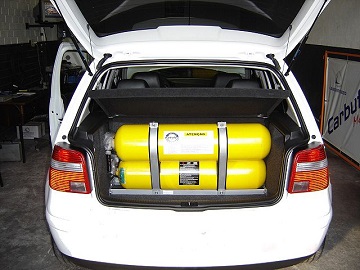
The Lagos State Government is scaling up its transport and logistics reforms with a new partnership that will deploy two thousand Compressed Natural Gas trucks across the state. The agreement was reached after a closed-door engagement with key haulage and logistics stakeholders, where government officials outlined a transition plan expected to lower operating costs, improve safety and boost efficiency for transport operators.
During the meeting, the Special Adviser to the Governor on Transportation and the Senior Special Assistant on Transportation and Logistics explained that the state is working with financial institutions to enable operators to access funding for a full shift from diesel-powered trucks to CNG models. They noted that the reforms align with the administration’s wider goals of modernising logistics infrastructure while protecting residents on major transport corridors.
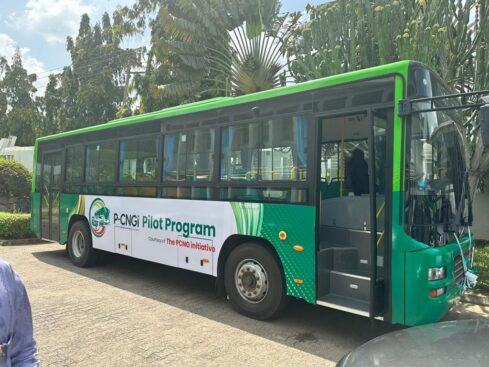
Giwa said the state is deepening its collaboration with banks to support the switch to CNG trucks, highlighting that the initiative will reduce emissions, cut logistics expenses, and enhance operational efficiency. He clarified that the trucks supplied to NARTO are from the Lagos State Government, while earlier CNG buses received by NARTO were delivered through federal intervention programmes. He maintained that the use of CNG vehicles is already driving down running costs for operators and easing mobility for residents.
Adekoya announced new safety measures approved by the governor to tackle rising truck-related accidents. He said drivers will undergo mandatory substance-abuse screening, while those with impaired vision will receive free corrective eyeglasses funded by the state. He also explained that the government has begun phasing out old diesel trucks to promote safer and more environmentally compliant haulage practices, stressing that the days of container trucks collapsing, destroying vehicles and causing avoidable deaths must end.
The deployment of the two thousand CNG trucks will run under an asset-purchase scheme facilitated by UBA Bank, offering structured repayment options to help operators transition without high upfront costs. Government officials said the model is designed to support small carriers, independent operators, and logistics businesses seeking cheaper and more sustainable fleet solutions.
In response, the National President of NARTO praised the Lagos State Government for maintaining consistent stakeholder engagement and investing in transport infrastructure that benefits operators and the public. He also acknowledged federal support through the delivery of CNG buses and noted that discussions on the pricing of new trucks are ongoing. According to him, once costs are finalised, the association will evaluate existing fleets and determine which diesel trucks will be retired to strengthen overall safety and efficiency.
The Chairman of NARTO Lagos assured that the association will continue partnering with the government to build a more structured and safe logistics ecosystem for residents and businesses across the state.