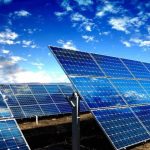


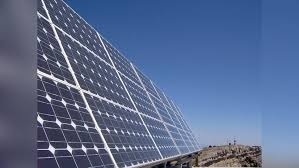
Nigeria has entered a new phase of clean-energy industrialisation, importing fewer finished solar panels while accelerating local assembly under recent policy reforms, the Rural Electrification Agency (REA) has reported. In October 2025, the country brought in 110 megawatts of solar cells for local assembly compared to just 82 megawatts of finished panels, marking the first time in Nigeria’s history that solar cell imports intended for domestic manufacturing surpassed fully assembled panel imports.
The milestone signals more than a change in trade patterns. It reflects a structural shift in which the country is beginning to capture the bulk of value locally, from frames, glass, backsheets, junction boxes, encapsulation, lamination, testing, logistics, to skilled labour. Analysts say this could lay the foundation for a robust solar manufacturing ecosystem and create thousands of jobs across production and supply chains.
The development followed the inaugural Nigeria Renewable Energy Innovation Forum held in October, themed ‘Implementing the Nigeria First Policy’. According to the REA, January to November 2025 alone saw more solar cells imported for local assembly than in all previous years combined, demonstrating a market response to coordinated reforms and targeted policy incentives.
The agency credited the shift to government leadership driving the Renewed Hope Agenda, which places local content, domestic industry, and economic sovereignty at the centre of national development. Combined interventions in the power sector, regulatory clarity, and investor-friendly reforms under the Ministry of Power have also boosted confidence in local manufacturing. The REA highlighted the catalytic role of the Nigeria Renewable Energy Innovation Forum, which facilitated off-take agreements and unlocked nearly $500 million in manufacturing and supply-chain deals.
These developments have created an alignment of policy direction, institutional coordination, and market confidence that Nigeria had long sought, laying the groundwork for a sustainable clean-energy industry. The progression is already yielding tangible results, as Nigeria recently exported solar panels to Ghana, demonstrating the potential of its emerging domestic capacity.
Analysts say the focus on local assembly not only strengthens energy security but also ensures that a larger share of value remains in the country, supporting industrialisation, job creation, and the growth of SMEs along the solar supply chain. The shift represents a significant step toward Nigeria’s ambition to move from importing clean-energy solutions to building and exporting them.