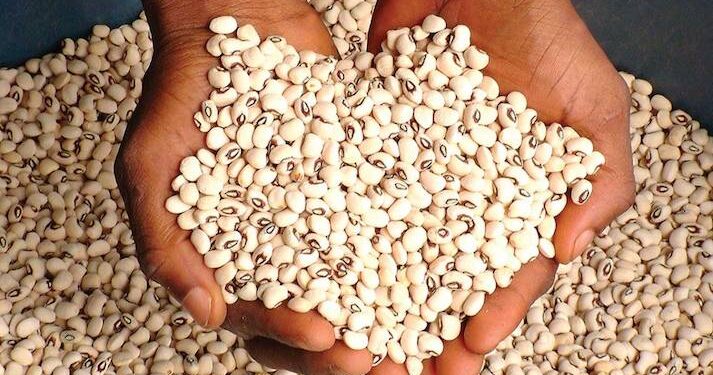
Nigeria’s agricultural landscape is counting heavy losses, with an estimated three hundred and sixty two point five million to three hundred and sixty three million dollars lost annually in foreign exchange due to the prolonged European Union ban on dried beans export.
The restriction, in place since 2015, remains a stark reminder of the consequences of weak food safety standards, poor farming practices and pesticide misuse that continue to undermine the country’s diversification goals and export potential. At the National Summit on Agroecology and Public-Private Partnerships in Lagos, stakeholders raised concerns that the issue has lingered for too long without decisive structural reforms, costing farmers, grain processors and agro-SMEs opportunities to access high-value international markets.
The EU ban was initially imposed after dangerously high levels of Dichlorvos, a pesticide banned in the region since 2006, were detected in Nigerian beans. The chemical is commonly applied locally to prevent weevils and pests, but global regulators have long flagged its harmful effect on human health. Stakeholders speaking at the event warned that the unrestricted use of highly hazardous pesticides, including substances already outlawed in developed countries, poses not only a trade barrier but a domestic public health threat.
They stressed that the continued reliance on such chemicals could expose Nigerian farmers and consumers to acute and long-term health risks, dampen productivity and increase medical burdens in rural communities.
The summit noted that although nations like Nigeria account for about a quarter of global pesticide consumption, they bear nearly all pesticide-related deaths. A World Health Organization estimate referenced during discussions revealed that three hundred and eighty five million farmers globally suffered acute pesticide poisoning in 2019, with most cases recorded across Asia and Africa. Smallholder women farmers, surveyed in 2022, reported respiratory irritation, dizziness, skin reactions and other pesticide-linked symptoms, demonstrating how deeply the problem affects rural labour.
For small producers, especially women who make up a large share of Nigeria’s agricultural workforce, the situation contributes to reduced productivity, increased household vulnerability and rising health expenditure, threatening both livelihoods and food security.
Concerns were also raised about the structure of budgetary allocations for agroecology, climate resilience and biodiversity in the 2025 appropriation framework. Stakeholders questioned why major funding provisions were placed in offices outside the agriculture and environment ministries, insisting that implementation should be rooted in institutions with operational capacity in food systems management. While budget size for states and key MDAs has grown between 2020 and 2024, participants argued that spending outcomes remain minimal and not proportionate to released funds. They insisted that without stronger coordination, transparent execution, and field-level oversight, agriculture may continue to record low returns despite financial input.
A collective recommendation emerged for federal and state governments to scale up yearly budgetary funding for agroecology and agricultural extension services, ensuring timely approval and complete cash release to enable farmers adopt safer alternatives, expand production, and restore export reputation. Stakeholders added that the preservation and promotion of indigenous seeds and livestock should become urgent priorities in safeguarding biodiversity, improving yield resilience to climate shocks, and strengthening local food systems. They encouraged the establishment of community seed banks across the country to preserve and regenerate native varieties, support participatory breeding and ensure farmers have continuous access to quality planting materials.
In closing remarks, participants emphasized that increased public investment targeted at agriculture can raise sectoral contribution to GDP to at least six percent, if channeled strategically into research, access to credit, youth participation, mechanization adoption, storage and processing innovations that reduce post-harvest losses, and irrigation infrastructure. They maintained that repositioning agriculture through agroecology will not only secure food supply but create new trade opportunities for SMEs in processing, packaging, storage and export, helping the continent capture more value within the global food chain and reduce poverty among rural households.