

Nigeria has taken a decisive step toward unlocking more global climate investment with the formal validation of its ‘ No Objection Procedure’ manual for Green Climate Fund projects. The document, now recognised as the country’s official gateway to GCF funding, is expected to create a more predictable, transparent route for climate-focused proposals seeking international finance. Stakeholders see it as a corrective response to years of bureaucratic bottlenecks that slowed Nigeria’s access to climate capital, despite increasing vulnerability to climate-related losses and adaptation demands across states.
Natural Eco Capital, which developed the manual, said the validation signals a shift from fragmented project processing towards a streamlined national climate finance pipeline. The tool standardises project appraisal, outlines fiduciary, environmental and social safeguards, and introduces clear service timelines—80 days for standard proposals and up to 100 days for high-risk submissions.
It also includes a digital submission portal designed to reduce paperwork delays and improve traceability from the proposal stage to approval. With these reforms, government agencies and private developers are expected to navigate the GCF process with far greater clarity, boosting Nigeria’s chances of securing large-scale climate funding for renewable energy, resilience infrastructure, adaptation systems and climate-smart agriculture.
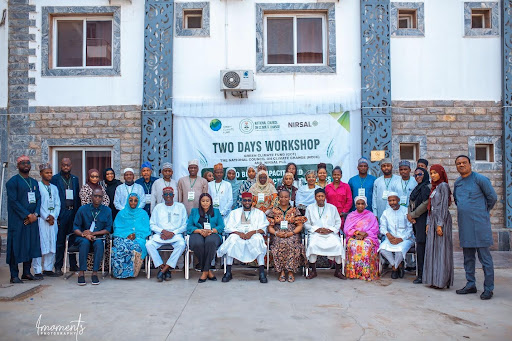
The two-day workshop in Kano brought together government representatives, private sector groups, international organisations, traditional leaders, civil society, and academics. Participants reviewed the framework and unanimously approved it as aligned with national climate commitments under the NDCs and the Long-Term Low Emission Development Strategy. The manual includes a 100-point scoring matrix, a fatal flaw clause that screens out weak proposals early, and provisions ensuring compliance with global safeguard standards. Stakeholders, however, emphasised the need for stronger data on greenhouse gas reductions and clearer grievance channels for affected communities as implementation progresses.
Discussions also highlighted the growing need to support states in accessing climate finance. Kano’s commissioner for environment noted ongoing readiness efforts backed by global partnerships, while stakeholders from the agriculture and finance sectors stressed the importance of a well-functioning NOP system in building bankable, climate-smart projects for rural communities. The workshop recommended widespread capacity-building across federal, state and local structures to ensure that project developers understand submission requirements and are able to produce high-quality proposals.
By approving the NOP manual, Nigeria positions itself to compete more effectively for GCF resources, boosting investor confidence and strengthening collaboration between public and private partners. For climate entrepreneurs, green infrastructure developers and MSMEs in renewable and agricultural value chains, a more efficient approval system could translate into better funding windows and improved access to climate-supportive capital. Stakeholders at the meeting committed to a continued partnership that prioritises transparency, inclusion and accountability as the framework begins nationwide rollout.