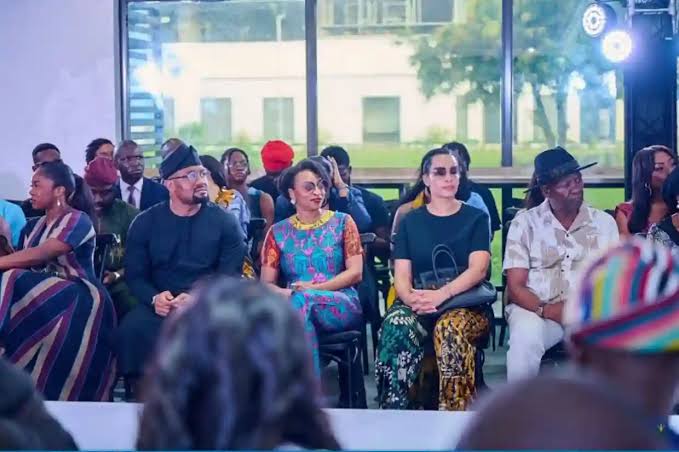
At the National MSME Conference 2025, the World Intellectual Property Organization used a masterclass session to draw attention to a growing concern within Nigeria’s creative and cultural industries: creators are still losing ownership and value due to weak understanding and enforcement of intellectual property rights.
The session, titled Who Owns It? Rethinking Intellectual Property in Nigeria’s Creative and Cultural Economy, examined how gaps in IP education, regulation and enforcement continue to undermine the contributions of artists, designers, filmmakers, musicians, fashion entrepreneurs and tech innovators. Despite the global rise of Nigeria’s creative output, participants were told that many creators still sign away rights unknowingly, fail to document ownership, or operate without legal protection.
The organisers noted that limited awareness is one of the biggest barriers. Many young creators do not fully understand copyright, trademarks, licensing or royalty structures, leaving them vulnerable to exploitation. This lack of clarity affects their ability to negotiate fair contracts, protect their brands, and benefit from the long-term commercial value of their work.
The discussion also highlighted the broader economic consequences. Weak protection mechanisms limit Nigeria’s global competitiveness, discourage investors, reduce export potential and weaken the country’s position in emerging digital markets. Without strong IP systems, opportunities in streaming, merchandising, cross-border licensing and tech innovation remain underutilised.
For MSMEs in the creative space, the issue goes beyond lost revenue. It affects business structure, growth planning, international partnerships and access to finance. Experts at the session stressed that creative entrepreneurs cannot scale without clear ownership frameworks that guarantee the value of their products and ideas.
The conversation reinforced a central message: Nigeria’s creative economy, though vibrant and influential, will struggle to reach its full potential until creators understand their rights and the institutions responsible for enforcing IP laws become more effective.
The masterclass called for stronger public awareness, improved regulatory support and deeper collaboration between government, industry players and intellectual property authorities to build a system that truly rewards creativity and innovation.