

The United States recorded a $1.45 billion goods trade surplus with Nigeria in the first ten months of 2025, reversing a deficit from the previous year, as US exports to Nigeria surged while imports from the country declined, according to the latest US Census Bureau data.
Between January and October 2025, US exports to Nigeria reached $5.94 billion, while imports stood at $4.49 billion, creating a positive balance of $1.447 billion in America’s favor. In October alone, the US posted a $162 million trade surplus, marking a nearly 40 per cent improvement from September’s $116 million surplus. Analysts said the increase was primarily driven by falling US imports from Nigeria rather than expanding exports.
The year-on-year comparisons highlight the scale of the shift. In October 2024, the US ran a $103 million trade deficit with Nigeria, but by October 2025, exports had risen 80.3 per cent to $532 million while imports fell 7.3 per cent to $369 million. On a cumulative basis, US exports to Nigeria grew by $2.23 billion, or 60.2 per cent, from the same period in 2024, while imports fell by $582 million, or 11.5 per cent.
Nigeria emerged as one of the few major African economies generating a US trade surplus. While the US ran a $3.74 billion year-to-date deficit with Africa overall, Nigeria alone accounted for $1.447 billion of the surplus, offsetting nearly 28 per cent of America’s shortfall with the continent. Only Egypt recorded a larger surplus, at $5.43 billion.
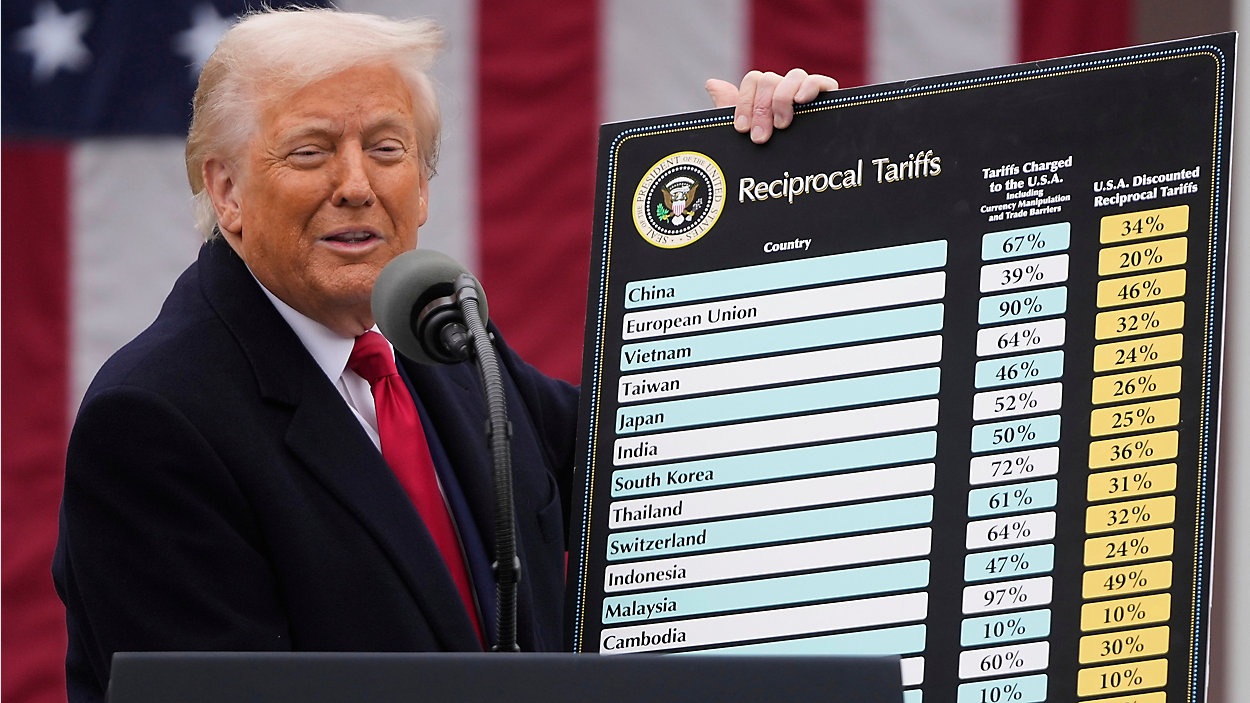
The trade outcomes coincide with Washington’s implementation of a “reciprocal” tariff regime, which increased Nigeria’s tariff rate from 14 per cent to 15 per cent on a range of non-oil exports from August 2025, while crude oil remained largely exempt. Analysts said the tariffs may have affected non-oil exports but have not dampened overall trade performance, with US export competitiveness strengthening even as imports softened.
Nigeria’s government has expressed resilience in the face of the tariffs. President Bola Tinubu noted that growing non-oil revenues and ongoing economic reforms would buffer the country against external shocks. Nigeria’s Minister of Industry, Trade and Investment, Jumoke Oduwole, said the government would focus on reform, diversification, and expanding partnerships with other global markets while avoiding retaliatory measures.
Economists see the trade situation as both a challenge and an opportunity. Dr Aliyu Ilias of CSA Advisory highlighted that Nigeria can leverage its position within BRICS and other international alliances to diversify export markets. Dr Muda Yusuf of the Centre for the Promotion of Private Enterprise noted that Nigeria’s trade with the US is relatively limited, concentrated in crude oil and a few commodities, and that visa restrictions pose a greater long-term barrier to trade and investment than tariffs.
Stakeholders in Nigeria’s export sector echoed the view that US tariffs could serve as an incentive to expand non-oil exports, deepen domestic industrial capacity, and explore new markets. The overall trade data reflect Nigeria’s growing role in US–Africa trade and the strategic importance of diversifying both partners and export products to strengthen resilience.