

Food prices surged in November 2025, driven by year-end festive demand and security disruptions, pushing Nigeria’s month-on-month inflation to 1.22 per cent, the highest level in four months. Analysts warn that the pressure may persist into December as traders and households stock up for the holidays.
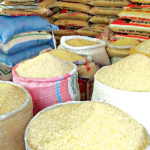
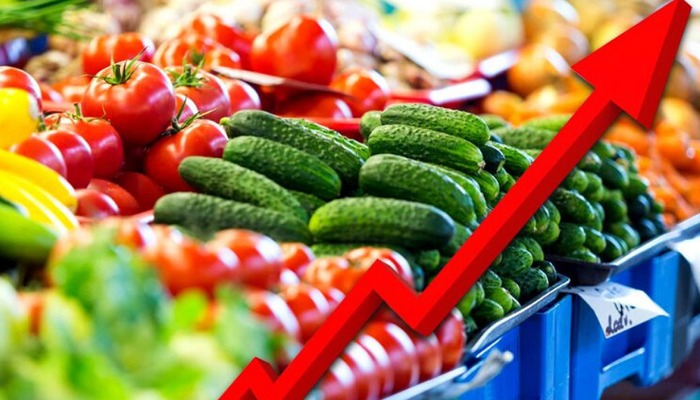
The National Bureau of Statistics (NBS) reported that food inflation rose to 1.13 per cent month-on-month, reflecting higher prices for staple items such as rice, yams, and tomatoes. Despite this, the headline inflation rate continued its downward trajectory for the eighth consecutive month, falling to 14.45 per cent in November from 16.05 per cent in October, beating market expectations.
The NBS data showed that the Consumer Price Index (CPI) reached 130.5 in November, up 1.6 points from the previous month. On a year-on-year basis, headline inflation declined sharply to 20.15 per cent, compared to 34.60 per cent in November 2024. Core inflation, which excludes volatile agricultural and energy prices, also eased to 18.04 per cent year-on-year, with a month-on-month increase of 1.28 per cent, reflecting steady improvement in underlying price stability.
State-level data revealed wide disparities in inflation rates. Rivers, Ogun, and Ekiti states recorded the highest year-on-year increases, while Plateau, Kebbi, and Katsina experienced the lowest. Month-on-month inflation was most pronounced in Bayelsa, Gombe, and Edo, whereas Plateau, Delta, and Kaduna recorded declines. Food inflation patterns mirrored these trends, with Kogi, Ogun, and Rivers leading annual increases and Yobe, Katsina, and Ondo recording the highest monthly spikes.
Experts say the November inflation spike was largely linked to disrupted food supply chains caused by insecurity and heightened festive demand. Ayo Akinwunmi, Chief Economist at United Capital Plc, explained that while prices may continue to rise in December, improvements in security could help moderate costs early next year. Tunde Abioye, Head of Equity Research at FBNQuest Merchant Bank, noted that seasonal trends typically drive higher food prices ahead of year-end holidays, suggesting that month-on-month inflation could remain elevated in the short term.
Public analyst Clifford Egbomeade highlighted that while annual inflation continues to ease, month-on-month figures reveal persistent pressures, particularly in perishable and protein-rich foods. “Markets remain sensitive to seasonal swings, transport disruptions, and storage gaps. Food, being the largest component of household spending, makes these monthly pressures highly significant for public welfare,” he said.
Presidential aide Bwala underscored that the easing headline inflation is the result of “tough, radical reforms and disciplined economic management,” adding that the figures demonstrate Nigeria is “steadily turning the corner” toward more stable economic growth. Analysts believe that continued focus on securing food-producing regions and improving supply chains will be critical to sustaining lower inflation and supporting small businesses, which remain highly vulnerable to food price volatility.
For MSMEs and households, the message is clear: while annual inflation is easing, rising food prices in the short term will require careful financial planning, and the festive season could further strain household budgets. Policy interventions and improved security in agricultural regions remain key to ensuring that price stability benefits businesses and consumers alike.