

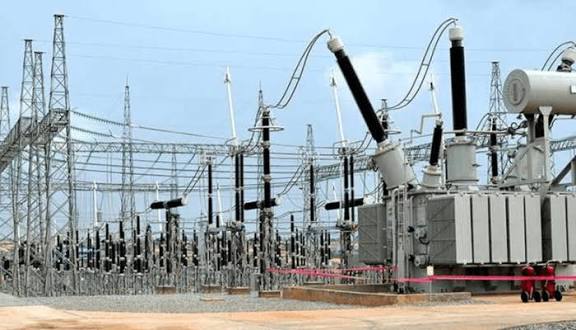
Nigeria experienced yet another collapse of its national electricity grid on Monday, December 29, 2025, leaving most of the country in near-total darkness in the mid-afternoon hours. The outage severely disrupted power supply to homes, businesses, and essential public services.
According to distribution data released at 3:12 pm, electricity supply across the country plummeted to just 50 megawatts (MW) — an amount far below normal operating levels for a nation of Nigeria’s size and urban density. Only Ibadan Electricity Distribution Company (30 MW) and Abuja Electricity Distribution Company (20 MW) were receiving any meaningful power from the grid, while all other major DisCos, including Benin, Eko, Enugu, Ikeja, Jos, Kaduna, Kano, Port Harcourt, and Yola, were allocated zero megawatts at the time.
The severe reduction in electricity supply effectively left most households and commercial enterprises without power, compounding frustrations with Nigeria’s already fragile energy sector. Officials from the Transmission Company of Nigeria (TCN) or the Federal Ministry of Power had not provided a formal explanation for the collapse at the time of reporting, leaving questions about the root causes and timeline for full restoration unanswered.
Impact on Homes, Businesses and the Economy
The near-total blackout comes at a time when reliable electricity remains a persistent challenge for Nigeria’s economy:
- Households have been plunged into darkness, forcing many to rely on generators, solar systems, or battery backups.
- Businesses, especially micro, small and medium enterprises (MSMEs), face disruptions that can undermine productivity, increase operating costs, and delay service delivery.
- Critical services such as healthcare facilities, logistics operations, and digital businesses are also affected, underscoring the broader economic and social impact of grid instability.
Experts note that Nigeria’s grid has faced repeated collapse events in recent years, often attributed to aging infrastructure, insufficient generation capacity, technical faults, and transmission bottlenecks. These weaknesses have made the nation vulnerable to recurring outages that undermine confidence in grid reliability and heighten the cost of doing business.