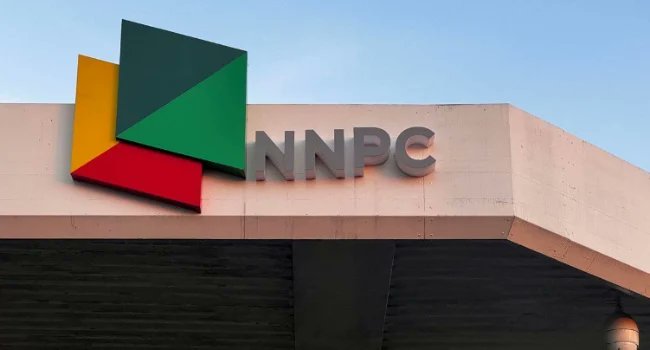
The Nigerian National Petroleum Company Limited has reduced the pump price of petrol at its retail outlets in Abuja to N815 per litre, offering a modest relief to consumers and businesses in the capital. The adjustment represents a N20 drop from the previous price of N835 per litre, according to observations on Monday.
At the Lugbe outlet in Abuja, the new price was clearly displayed, confirming the downward review. However, the price movement was not reflected across the country, as petrol prices at NNPC stations in Lagos remained unchanged. At Apple Junction in Festac Town, the product continued to sell at N785 per litre, highlighting ongoing regional price differences.
The price reduction in Abuja comes just days after private depot owners raised the ex-depot price of petrol across major fuel distribution hubs, a move that has continued to squeeze marketers’ margins and raise concerns about possible upward pressure on pump prices in the coming days.
Industry sources have warned that fuel prices could still increase further, citing market uncertainty and speculation around supply conditions. These concerns were linked to reports that the Dangote refinery was preparing for a planned turnaround maintenance, which some market players feared could disrupt supply. However, sources at the refinery have dismissed shutdown claims, maintaining that production remains ongoing.
The current pricing dynamics reflect the volatility facing Nigeria’s downstream petroleum sector, where pump prices are increasingly shaped by depot costs, logistics expenses, and supply expectations rather than uniform national benchmarks. For small businesses, transport operators, and informal traders, such fluctuations create planning challenges, as fuel costs directly affect operating expenses, pricing decisions, and profitability.
The situation also contrasts with recent pricing actions by local refiners. In December 2025, the Dangote refinery reduced its ex-gantry petrol price to N699 per litre from N828, marking the lowest level recorded in nearly two years and raising expectations of broader price moderation across the market.
For MSMEs, the mixed pricing signals underline the importance of stable and predictable energy costs. While the Abuja price cut offers temporary relief, uneven pricing across cities and the risk of further increases continue to pose risks for businesses that rely heavily on fuel for logistics, power generation, and daily operations.