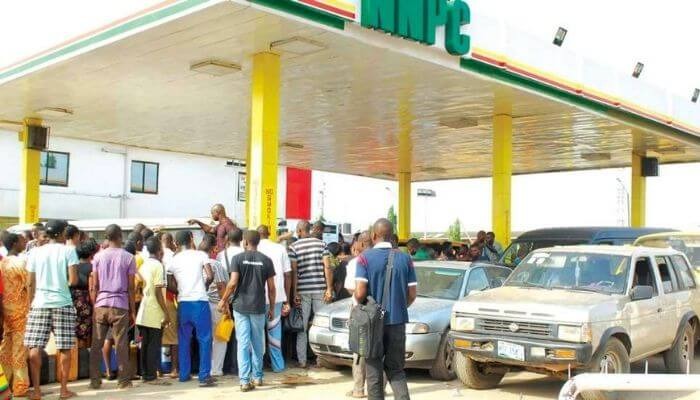
The Nigerian National Petroleum Company Limited has increased the pump price of petrol to N839 per litre across its retail outlets in Abuja, marking another shift in Nigeria’s downstream petroleum market.
Checks on Wednesday showed that the new price is now in effect across NNPC filling stations in the Federal Capital Territory. In Lagos, the national oil company also adjusted prices upward, increasing the pump price by N50 from N785 per litre to N835.
The latest adjustment represents a N20 increase from the previous Abuja price of N815 per litre and follows recent pricing changes by the Dangote Petroleum Refinery. The move signals the continued influence of refinery-level pricing on retail fuel costs, especially as the market adjusts after the festive period.
The price increase aligns with revised pump prices at retail outlets linked to Dangote Refinery’s distribution network. Earlier in the week, the refinery raised its ex-gantry price of petrol, a change that has now filtered through the supply chain to marketers and retailers.
Industry data indicates that NNPC’s pricing decision closely tracks upstream cost movements. Dangote Refinery increased its ex-gantry price from N699 per litre to N799, while retail outlets associated with its supply network, including MRS stations, have adjusted pump prices to around N839 per litre from N739. This convergence suggests that refinery pricing remains a key driver of petrol prices in the downstream market, despite ongoing debates around competition and pricing flexibility.
Dangote Refinery had announced that the increase followed the end of the festive season, during which it absorbed higher operational and logistics costs to stabilise prices for consumers. The refinery said the temporary price moderation was intended to reduce financial pressure on households before returning to market-aligned pricing.
Oil marketers have, however, pushed back against claims that some filling stations were selling petrol below approved prices, describing such reports as speculative and not supported by verified market activity.
For small businesses and transport-dependent MSMEs, the latest price hike adds fresh cost pressures, particularly in logistics, distribution and mobility-related services. As fuel prices continue to respond to refinery and supply-side changes, market watchers expect further adjustments that could shape inflation trends and operating costs across the economy.
Since Dangote Refinery began supplying petrol locally, its pricing decisions have remained under close scrutiny due to their scale and growing impact on fuel distribution and pricing dynamics nationwide.