

The Nigerian Upstream Petroleum Regulatory Commission has issued permits to 28 companies under the Nigerian Flare Gas Commercialisation Programme, marking a major step in Nigeria’s efforts to eliminate routine gas flaring, reduce carbon emissions, and unlock new economic opportunities across the energy value chain.
The permits were formally issued at a ceremony in Abuja, where the Commission Chief Executive described the development as a strategic milestone in Nigeria’s energy transition journey. The beneficiaries include a mix of energy, engineering, and gas-focused companies that have met the regulatory, technical, and commercial requirements to access and commercialise flare gas that has historically been wasted.
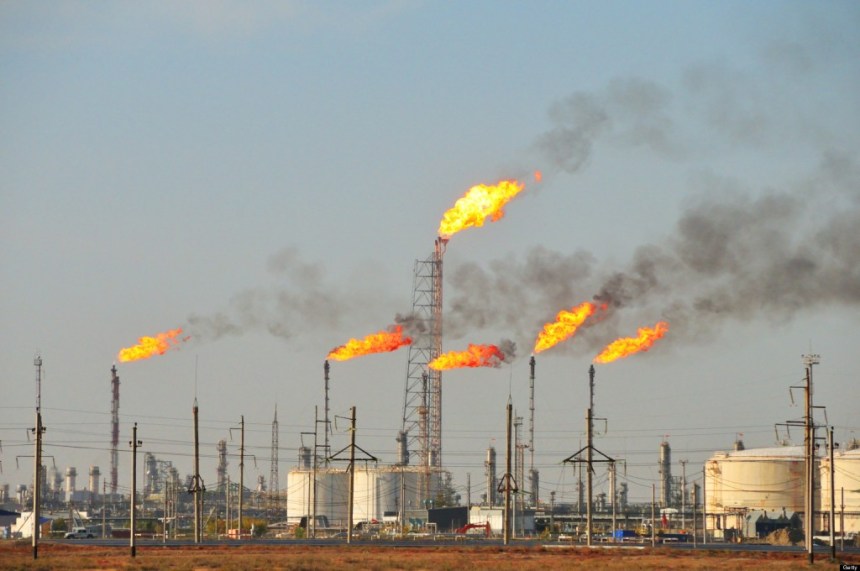
The Nigerian Flare Gas Commercialisation Programme, reinaugurated in 2022, is designed to end routine flaring by allocating flare sites to qualified third-party companies. Through the programme, flare gas can be captured and converted into power, liquefied petroleum gas, fertiliser feedstock, petrochemicals, and industrial fuel, creating value from what was previously an environmental liability.
According to the commission, the permits were issued under the 2020–2021 bid round after a rigorous and transparent selection process. From about 300 initial expressions of interest, 139 applicants advanced to the request-for-proposal stage. This process resulted in 42 successful bidders being awarded 49 flare sites. Out of these, 28 companies have now completed all required commercial agreements, including connection, milestone development, and gas sales agreements, qualifying them to receive permits to access flare gas.
The commission said the companies that received permits demonstrated strong operational capacity, financial readiness, and technological competence. The redesigned programme, it added, has improved commercial viability and regulatory certainty, especially after disruptions caused by COVID-19 and the implementation of the Petroleum Industry Act.
The expected impact of the programme is significant for both the environment and the economy. Between 250 and 300 million standard cubic feet of gas currently flared every day is projected to be captured and commercialised. This is expected to cut Nigeria’s carbon dioxide emissions by about six million tonnes annually, while attracting up to two billion dollars in new investments.
Beyond large-scale energy gains, the programme has important implications for small and medium-sized enterprises operating across the gas, power, manufacturing, and logistics value chains. The commission estimates that more than 100,000 direct and indirect jobs will be created, while about 170,000 metric tonnes of LPG will be added annually. This expansion is expected to provide cleaner energy access to about 1.4 million households and unlock nearly three gigawatts of power-generation potential, supporting MSMEs that depend on stable and affordable energy to operate.
The commission also acknowledged the support of development partners, including multilateral institutions, technical advisors, and financial organisations, whose contributions strengthened the programme’s design and execution.
While issuing the permits, the regulator emphasised that this phase marks the beginning of implementation rather than the conclusion of the process. The permit holders were urged to move quickly on engineering design, construction, financing, and commissioning to ensure the programme delivers its promised benefits.
The commission reaffirmed its commitment to providing continuous regulatory support and maintaining transparency and efficiency in the upstream petroleum sector, noting that disciplined project delivery will be critical to translating the flare gas programme into real economic, environmental, and social gains for Nigeria.