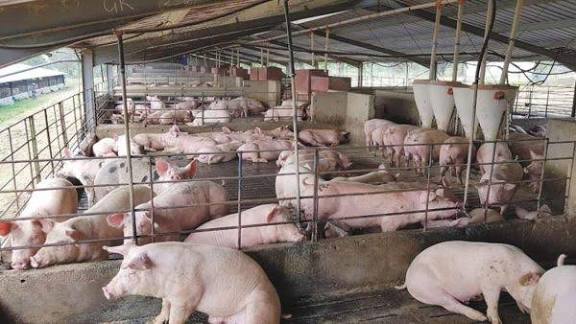
The Pig Farmers Association of Nigeria has appealed to governments at all levels to prioritise access to land, finance and critical resources to expand pig production and unlock the full value of the subsector.
The association’s president said pig farmers continue to receive limited policy attention compared with other livestock segments such as cattle and poultry, despite the sector’s economic importance. He noted that pig production should not be viewed only through the lens of pork consumption, stressing that the industry has the capacity to drive economic growth and make meaningful contributions to Nigeria’s gross domestic product if properly supported.
According to him, pig farmers rely on the same feed inputs and energy sources as other livestock producers, including maize, soybean, groundnut cake and cottonseed, yet they are often excluded from government interventions and livestock development programmes. He argued that livestock development should be approached holistically, rather than focusing primarily on cattle ranching.
The PIFAN president pointed out that Nigeria remains the largest producer of pigs in Africa, even with minimal government backing. He said the country stands to benefit significantly from the subsector, noting that some operators are already exporting pig-related products.
He described pig farming as a major employer of labour with a broad value chain that extends beyond meat production. Products derived from pigs are used in cosmetics, brush-making and leather goods such as shoes, bags and belts, while waste from pig farming can be processed into organic manure or used for biogas generation.
Beyond its industrial uses, he said pig production plays a role in reducing unemployment, empowering youth and women, and earning foreign exchange. Many pig farmers, he added, have built sustainable livelihoods from the business, funded education for their families and acquired assets without reliance on salaried employment.
For small-scale agribusinesses, the call highlights an under-supported livestock segment with strong MSME potential. Increased access to land, finance and policy support could enable pig farmers to scale production, strengthen agro-processing linkages and contribute more meaningfully to job creation, rural incomes and non-oil exports.