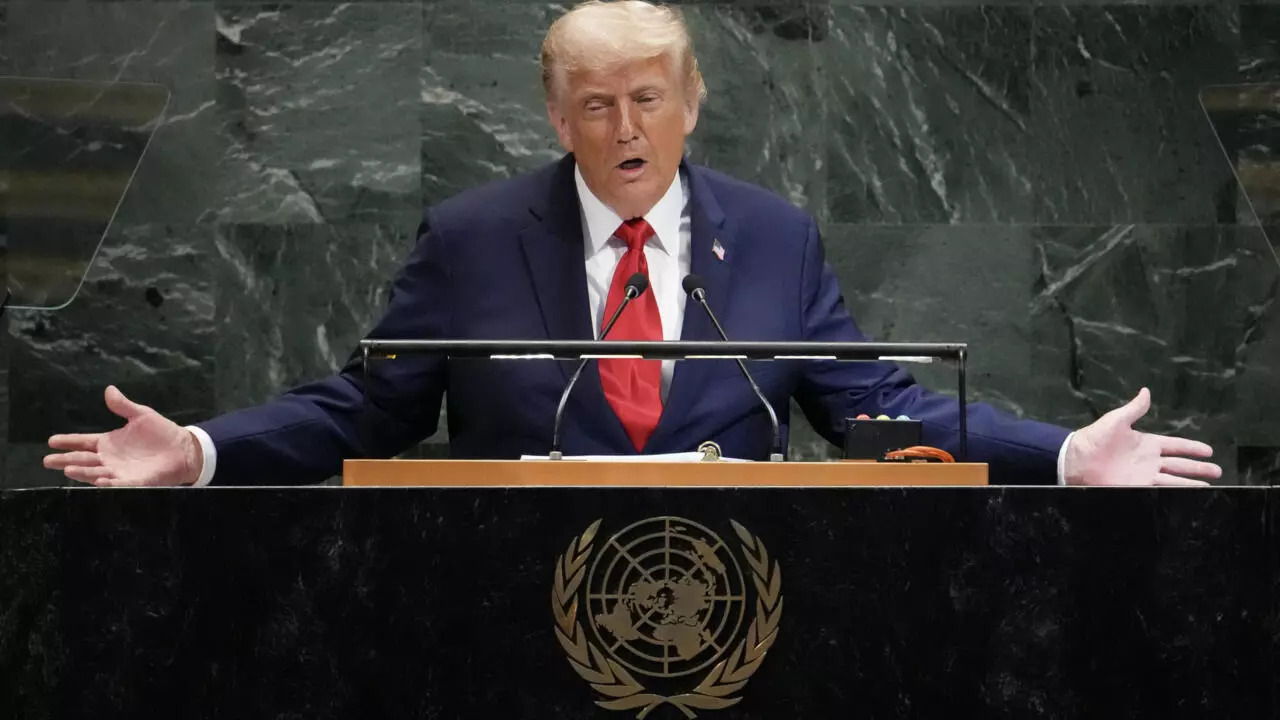
The United States has ordered its withdrawal from 66 international and United Nations-affiliated organisations following the signing of a new presidential directive on January 7, 2026, marking one of the most extensive pullbacks from multilateral institutions in recent years.
The directive instructs U.S. government agencies to end participation and funding for international bodies considered inconsistent with U.S. national interests. It was issued through a Presidential Memorandum addressed to the heads of executive departments and agencies, authorising immediate steps to disengage in line with domestic law.
According to the document, the decision followed a comprehensive review of U.S. involvement in international organisations and agreements. The review concluded that continued membership, participation, or financial support for the affected bodies no longer served U.S. strategic or economic priorities. The process was conducted in consultation with senior foreign policy officials and cabinet members.
Federal agencies were directed to move swiftly to implement the withdrawals. For UN-related entities, withdrawal was defined as ending participation or funding to the extent permitted under U.S. law. The memorandum also clarified that the directive does not override existing legal or budgetary authorities and does not create enforceable rights against the U.S. government.
The document framed the move as part of a broader reassessment of U.S. engagement with multilateral institutions, particularly those involved in climate policy, development finance, governance frameworks, gender issues, and environmental protection. It noted that reviews of additional international organisations and agreements are still ongoing, raising the possibility of further withdrawals.
The directive applies across all executive departments and agencies, with the State Department tasked with leading coordination and issuing additional guidance as needed. Legal, diplomatic, and administrative steps are to be managed in collaboration with other arms of government, and the memorandum is expected to be published in the Federal Register.
Of the 66 organisations affected, 35 are non-UN bodies, including major global institutions focused on climate science, renewable energy, environmental conservation, and sustainable development. The remaining 31 are UN-affiliated entities, covering areas such as climate change, trade and development, population policy, gender equality, and regional economic coordination.
The move follows an executive action issued in February 2025 that ordered a wide-ranging review of U.S. participation in international organisations, conventions, and treaties. The January directive represents the outcome of that process, formally approving withdrawals and instructing agencies to disengage in accordance with funding rules and legal constraints.
The decision aligns with a broader reduction in U.S. involvement in multilateral institutions over the past year. Funding cuts and withdrawals have already affected major global bodies, including those involved in public health and humanitarian coordination. These actions have contributed to budget shortfalls, workforce reductions, and scaled-down operations across several international agencies.
For developing economies and small businesses, particularly in emerging markets, the pullback raises concerns about reduced access to international development financing, climate support programmes, trade facilitation initiatives, and technical assistance often channelled through these institutions. Many MSMEs rely indirectly on such frameworks for market access, sustainability funding, and cross-border trade support.
As the U.S. continues to reassess its global engagements, the long-term implications for international cooperation, development funding, and global economic coordination remain uncertain, especially for regions where multilateral institutions play a central role in supporting small businesses and economic resilience.