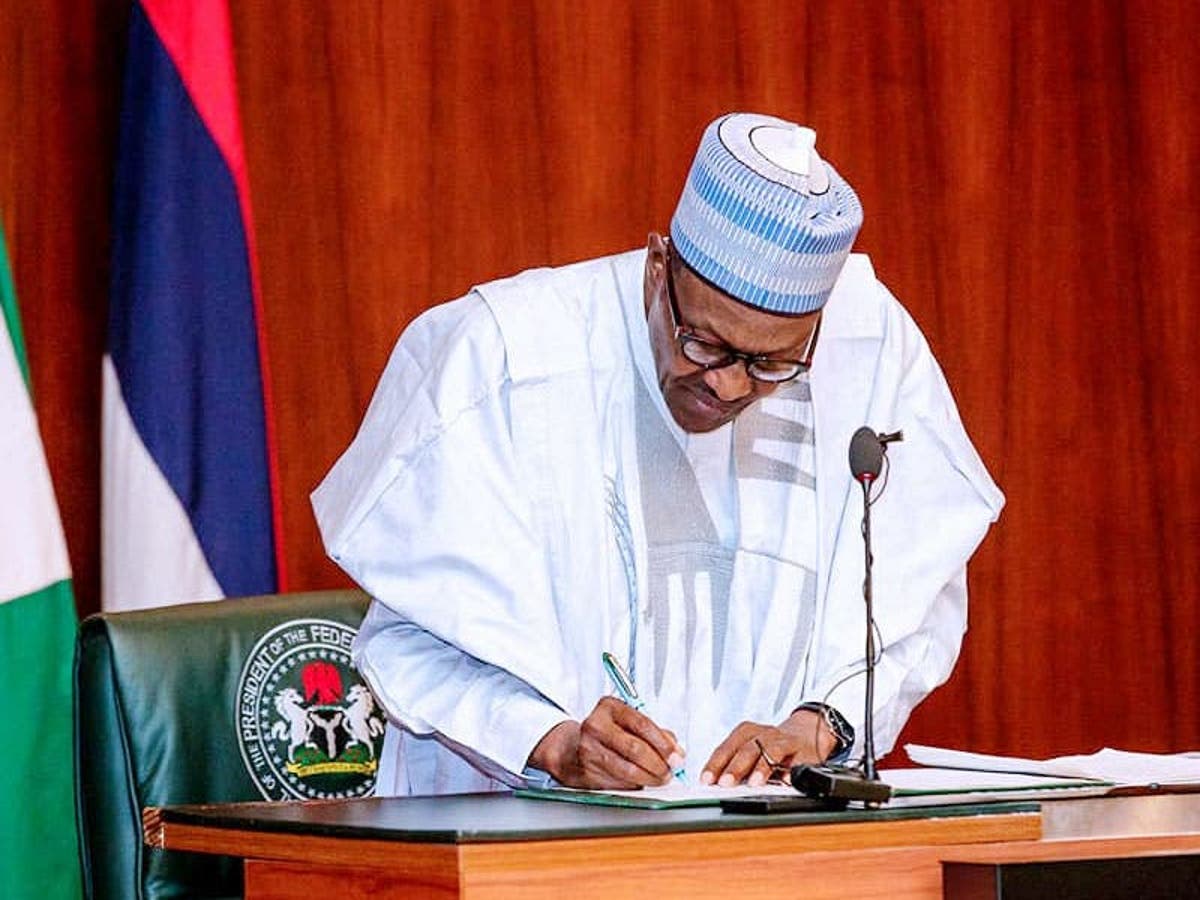
The Federal Government has approved the payment of N185bn in longstanding debts owed to natural gas producers, a move authorities say will revive gas supply and strengthen electricity generation nationwide. The Minister of State for Petroleum Resources (Gas), Ekperikpe Ekpo, disclosed that President Bola Tinubu gave the approval following endorsement by the National Economic Council led by the Vice President. According to a statement from the minister’s office, the debt backlog has for years strained operations, discouraged new investment, and limited gas supply to power plants, worsening electricity shortages that continue to affect households and businesses.
Officials explained that the settlement will be executed through a royalty-offset mechanism, a measure expected to restore confidence among domestic and international gas suppliers who have repeatedly expressed concern over delayed payments. Ekpo described the intervention as one of the most significant steps taken in Nigeria’s energy sector in recent times, linking it to the wider Decade of Gas initiative, which aims to unlock over 12 billion cubic feet per day of gas supply by 2030. He said clearing the legacy debts is a turning point that could rebuild trust between the government and producers and spur new upstream investments.
The move is also projected to improve financial liquidity within the industry, enabling operators to scale production and speed up exploration activities. Officials believe an increase in gas supply will help revive electricity generation capacity, which has struggled to rise above 5,000 megawatts, a challenge that has constrained business productivity and industrial growth. Energy experts note that a more stable power sector could reduce production costs for factories, support job creation and improve Nigeria’s competitiveness.
The sector stakeholders say the decision signals a renewed commitment to resolving systemic bottlenecks and restoring business confidence. The Decade of Gas Secretariat said the debt clearance could unlock stalled projects and attract fresh capital from global investors who had previously adopted a wait-and-see posture. For small businesses that rely heavily on power to operate, improved generation could reduce dependence on generators, cut operating expenses, and improve overall output if a sustained gas supply leads to more reliable electricity access.