A regional initiative that has overhauled aquatic resource management and strengthened cross-border fish trade is transforming livelihoods for nearly three million people across Southern Africa, raising fish production, consumption, and household income among small-scale operators. The Program for Improving Fisheries Governance and Blue Economy Trade Corridors, known as PROFISHBLUE, has pushed regional trade volumes beyond five hundred thousand tonnes in the last four years, driving employment, improving food security, and supporting climate resilience efforts across sixteen SADC member states.
Across seven African Development Fund countries, the initiative has equipped more than two hundred and fifty thousand beneficiaries through training, fish quality assurance support, and the provision of tools such as refrigerated vehicles and post-harvest handling equipment. These interventions have strengthened the value chain from catch to market and expanded business skills for fish traders, processors, and emerging blue economy entrepreneurs. Training stretched across fish value utilisation, business development, SME incubation, genetic improvement in tilapia production, common standards for trade, policy harmonisation with bureaus of standards and customs, nutrition and fish product development, alongside blue economy investment planning and financing knowledge.
Support from the programme has also extended to transboundary lake assessments, vessel monitoring systems to curb illegal fishing, and the training of officers involved in vessel inspection and catch statistics. These measures have contributed to more orderly markets and better compliance, allowing small producers and processors to operate in safer trade environments where quality standards are clear.
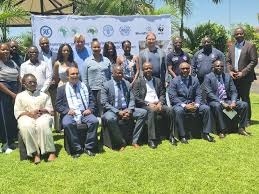
Stakeholders gathered in Gaborone during World Fisheries Day to reflect on progress made since the project began in 2022 and to showcase how the initiative has reshaped fish value chains and consumer access across the region. The nine point two million dollar grant funded under ADF15 has played a central role in deepening regional integration and strengthening the blue economy for long-term economic development. This year’s celebration connected government representatives, development partners, private sector actors, civil society, and community groups in conversations on advancing sustainable fisheries.
Project leaders said the programme has proven the possibility of managing fisheries equitably and sustainably despite climate pressure and external economic shocks. A representative speaking on behalf of the SADC leadership said the support has shown the capacity to strengthen aquatic food systems for the benefit of millions. An official from the African Development Bank highlighted that about three billion people globally depend on aquatic food supply chains, contributing three hundred billion dollars annually. According to the official, the PROFISHBLUE model is an example of how investment in governance can create competitive value chains that improve livelihoods and eradicate poverty, especially for rural and MSME-based players.
Partners including FAO, UNIDO, WWF, WorldFish, and ARSO continue to support the implementation process. The fisheries authority in Botswana described the programme as a platform that has enabled knowledge exchange and innovation among regional players. During the event, women in fisheries shared how the project has increased their income and expanded their business reach, demonstrating its inclusive design.
A seaweed farmer from Tanzania said the investment support gave smallholder entrepreneurs the confidence to pilot technology they might not have considered on their own. A fish processor from Malawi added that the programme enabled cooperatives to turn processing activities into real progress and value addition.
The PROFISHBLUE model continues to strengthen regional corridors where small fish traders, processors, and transporters operate daily. By improving access to cold storage, training, financing insights, and harmonised trade standards, MSMEs are gaining the capacity to scale, reduce post-harvest losses, and supply cross-border markets more competitively. As funding partners reaffirm commitment to expanding blue economy support across SADC, the project stands as a signpost for how the region could unlock stronger fish markets, higher rural incomes, and a more resilient food system.