

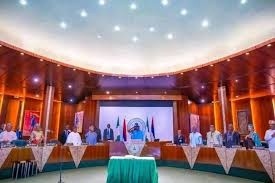
The Federal Executive Council has approved the design and construction of a new headquarters for the Bank of Industry at Eko Atlantic City in Lagos, marking a significant step in efforts to modernise Nigeria’s industrial and financial infrastructure. The approval was announced after the council’s meeting in Abuja, where government officials explained that the new building will serve as a central hub for the bank’s expanded mandate in supporting industrial growth, small and medium enterprises, and export-oriented manufacturing. The project is considered part of a wider push to strengthen institutions that drive local production and job creation.
During the session, the council also endorsed the purchase of two hundred electric buses for the National Automotive Design and Development Council for fifty-eight billion naira. Officials noted that the initiative aligns with the administration’s strategy to reposition the automotive sector, encourage cleaner transportation, and create new industrial opportunities that can stimulate local component manufacturing. Authorities emphasised that the move supports long-term plans to deepen Nigeria’s presence in the global shift toward electric mobility.
One of the most consequential approvals from the meeting was the adoption of the Nigeria Industrial Policy 2025. Government representatives described it as a long-awaited national framework that will guide manufacturing expansion, improve policy coordination and strengthen Nigeria’s credibility with international development partners. They explained that the absence of an updated industrial policy had previously slowed donor engagement and limited access to key partnerships needed to accelerate diversification. The new policy is expected to anchor the administration’s broader economic agenda and provide a sustainable pathway for the country’s transition into a more competitive, production-driven economy.
The council also approved the construction of internal and access roads within the Lekki Medical Tourism Park in Lagos as part of ongoing efforts to boost investment in specialised healthcare facilities and attract medical visitors across Africa. In addition, Nigeria was formally informed that it has been selected to host the next Intra-African Trade Fair following a competitive bidding process. Lagos will serve as the host city, with the Lagos Creative and Cultural Centre designated as the main venue. Government officials said the hosting rights enhance Nigeria’s strategic importance within the African Continental Free Trade Area framework and complement the industrialisation projects currently being implemented with support from the United Nations Industrial Development Organisation.
The approvals follow recent fiscal decisions, including the adoption of the 2026–2028 Medium-Term Expenditure Framework, which outlines revenue expectations and spending priorities for the next three years and projects federal revenue at more than thirty-four trillion naira in 2026.
For MSMEs across the country, these policy shifts carry long-term implications. A stronger Bank of Industry headquarters, an updated industrial policy, improved transport technology and new trade opportunities all translate into better financing pathways, improved market access and a more predictable environment for small businesses seeking to scale within Nigeria’s evolving economic landscape.