


The Lagos State Government and private sector stakeholders have renewed calls to position waste management as a major driver of Nigeria’s green economy, with discussions at the 6th Lagos Waste Forum focusing on how structured recycling and circular economy models can unlock an estimated $250bn in economic value.
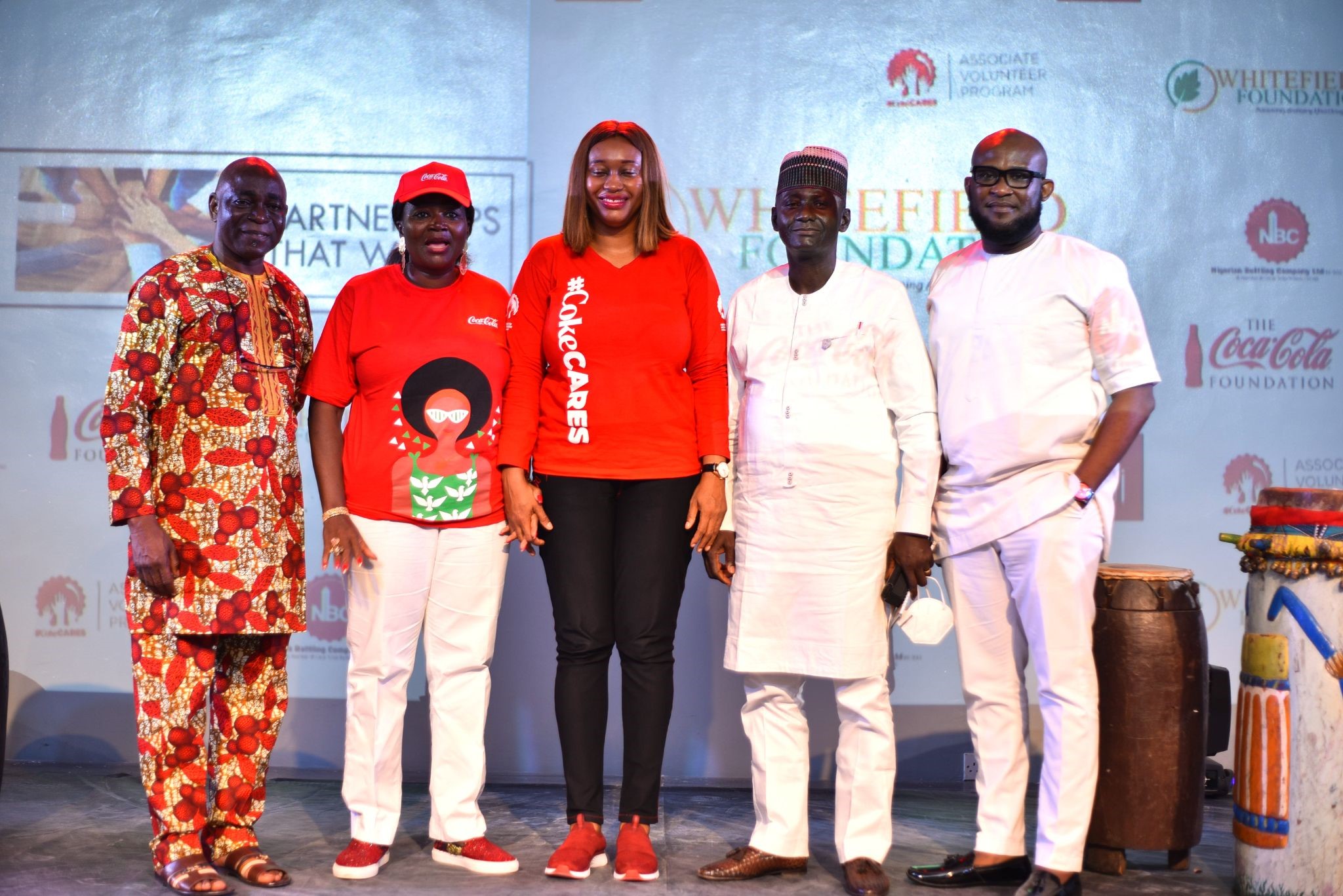
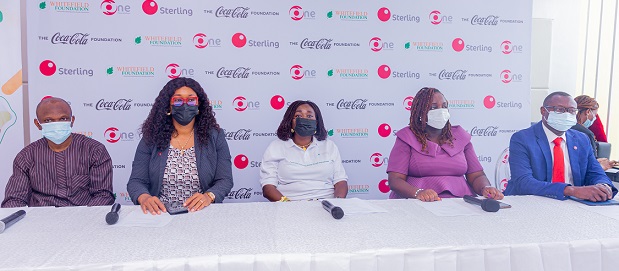
The forum, organised by SWEEP Foundation NG with support from UNIDO, the European Union, and Coca-Cola Nigeria, brought policymakers, investors, and environmental experts together in Lagos under the theme, The Power of Nigeria’s Waste Economy. Participants examined how waste, often viewed as a public burden, can be transformed into a source of jobs, enterprise growth, and long-term economic resilience.
Representing Governor Babajide Sanwo-Olu, the Special Adviser on the Environment said Lagos occupies a strategic position in Nigeria’s circular economy because of the sheer volume of waste it generates and the innovation opportunities embedded within it. He noted that while waste poses environmental challenges for a fast-growing city, it also presents significant opportunities for entrepreneurs, recyclers, and small businesses operating across the value chain.
He explained that agencies such as the Lagos Waste Management Authority are working to build an integrated framework that supports innovation, investment, and efficiency, to position Lagos as a hub for circular economy solutions. According to the state government, creating structure around waste collection, recycling,g and reuse is key to unlocking private sector participation and scaling viable business models.
Insights from the Food and Beverage Recycling Alliance reinforced the sector’s economic promise, citing findings from the Federal Government and UNDP-backed Imagine Nigeria report, which estimates Nigeria’s green economy potential at up to $250bn. The alliance noted that Nigeria generates about 32 million tonnes of waste annually, with Lagos alone producing an estimated N18bn in recycling value in 2021, highlighting the scale of opportunity for recyclers, processors, and waste-focused MSMEs.
Speakers at the forum emphasised that circularity is not only an environmental necessity but also a pathway to job creation, innovation and industrial growth. For small businesses and startups, the waste economy was described as a largely untapped market capable of supporting new ventures in recycling, logistics, manufacturing and climate-smart technologies.
The President and Chief Executive Officer of SWEEP Foundation NG described dumpsites as emerging “waste mines,” arguing that Nigeria must begin to treat waste as a strategic resource. He called for the establishment of a Ministry of Waste Resources and a dedicated Green Bank that would provide single-digit interest loans to entrepreneurs operating in waste-to-wealth businesses, particularly those struggling to access affordable finance.
Delivering the forum’s keynote lecture, the Ogun State Commissioner for the Environment stressed the importance of moving beyond policy declarations to evidence-based action. He urged governments to rely on research, innovation and data-driven interventions tailored to local realities, while also building a technically skilled environmental workforce capable of implementing sustainable solutions.
Other participants, including climate change advisers, circular economy experts and UNIDO representatives, echoed the need for stronger collaboration between government, development partners and the private sector. They noted that financing, technology adoption and community engagement remain critical to scaling waste-based enterprises and attracting long-term investment.
The forum ended with a shared commitment by stakeholders to prioritise practical solutions that can accelerate Nigeria’s transition to a resource-efficient and climate-smart waste ecosystem, with particular emphasis on creating opportunities for small businesses and entrepreneurs within the growing green economy.