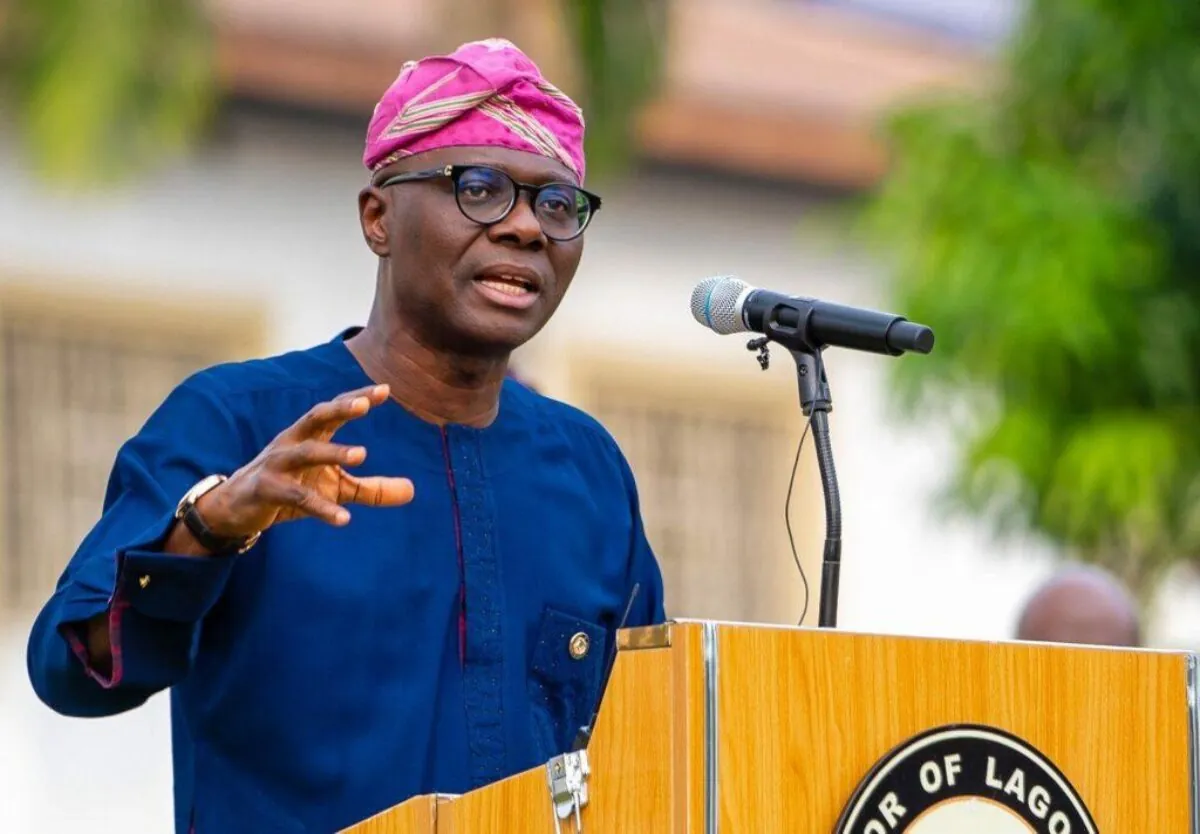
Lagos State Governor Babajide Sanwo-Olu has assured residents and business owners that Nigeria’s newly gazetted tax reforms are designed to protect small businesses and vulnerable citizens, not to place additional burdens on low-income earners. Governor Sanwo-Olu spoke at the Lagos Tax Reform Summit held in Ikeja on Tuesday, where he reaffirmed Lagos State’s strong support for the ongoing federal tax reform agenda.
Sanwo-Olu said some members of the public feared that the new tax system would favour the wealthy at the expense of ordinary people, but he maintained that these concerns were misplaced.
“I know some people fear that these reforms will hurt the poor and favour the wealthy. That is simply not true. The goal of the new tax law is simple: protect small businesses, make sure the wealthy meet their obligations, close revenue leakages, and bring more people fairly into the tax system,” he said.
The governor commended President Bola Tinubu for championing the reforms, describing them as bold steps toward fixing a tax system he said had been “broken for too long.” Sanwo-Olu emphasised that the reforms are not about increasing tax burdens, but about eliminating multiple taxation, expanding the tax base, and ensuring a more transparent and efficient system.
Sanwo-Olu also reiterated Lagos State’s commitment to working closely with federal authorities to implement the reforms in a way that promotes growth, fairness, and predictability. He noted that Lagos, as one of Nigeria’s leading economic hubs, is positioning itself to translate policy into real value for citizens and businesses.
At the summit organised by the Office of the Special Adviser on Taxation and Revenue and the State Treasury Office, officials discussed strategies to harmonise revenue administration with the Federal Government’s fiscal objectives. Sanwo-Olu underscored that the reforms will help block revenue leakages, reduce duplication in tax collection, and strengthen accountability.
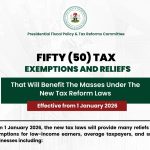
Experts say certainty and clarity in tax policy are key to encouraging compliance and attracting investment especially for micro, small and medium enterprises (MSMEs) that rely on predictable fiscal frameworks to plan operations, access finance, and scale their businesses. Earlier reform proposals include numerous exemptions and reliefs for low-income earners and small businesses, such as corporate income tax exemptions for enterprises below specific thresholds and expanded tax reliefs for individuals.
Sanwo-Olu’s remarks come amid wider debate over the new tax regime, which is set to take effect on January 1, 2026. While some stakeholders have raised concerns about parts of the gazetted law, state leaders like Sanwo-Olu argue that broad stakeholder engagement and effective implementation will be essential to delivering expected benefits to citizens and businesses alike.