


The Securities and Exchange Commission has unveiled an ambitious 2026 agenda focused on mobilizing long-term capital to address Nigeria’s persistent infrastructure gaps, a move expected to ease financing constraints for small and medium-sized enterprises operating across critical sectors.
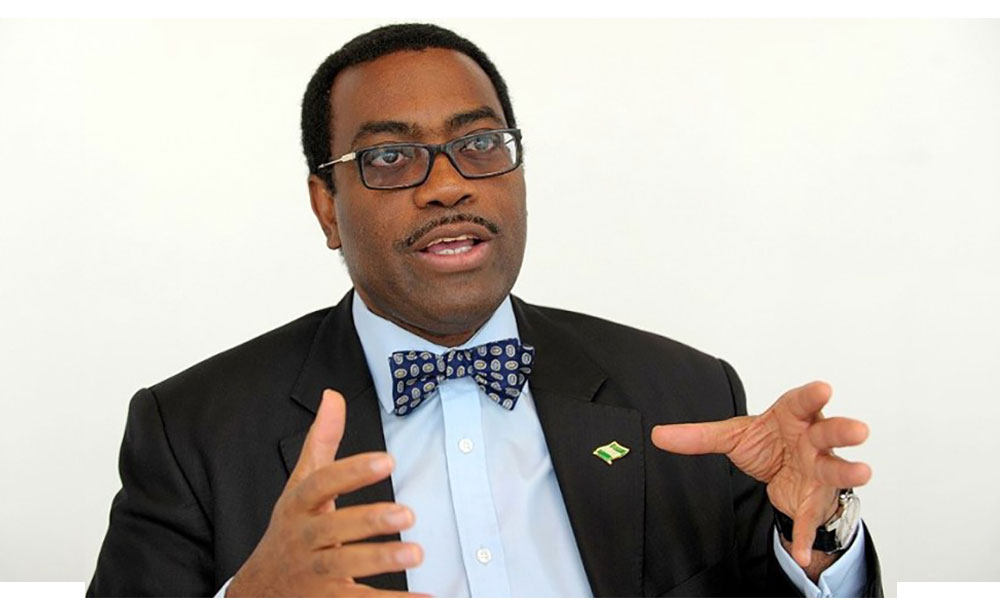
The new roadmap follows a year in which corporates, including many MSMEs, relied heavily on short-term instruments such as commercial papers due to tight liquidity and high interest rates. In a New Year message delivered in Abuja, the SEC’s Director-General said the Commission will prioritise channeling patient capital into productive sectors including road construction, power, rail, housing and agriculture, areas where infrastructure gaps continue to raise operating costs for businesses.
According to the Commission, achieving this shift will require updates to existing regulatory frameworks to make the capital market more accessible to long-term issuers, particularly state governments, infrastructure firms and businesses along key value chains. Facilitating the issuance of infrastructure bonds, municipal bonds, green bonds and infrastructure-focused funds will form a core part of the 2026 pipeline, with the aim of directing stable funding into projects that support economic activity and enterprise growth.
Nigeria’s infrastructure deficit, estimated at over $100 billion, continues to affect businesses through poor transport networks, unreliable power supply, limited rail connectivity, housing shortages and slow broadband expansion. The SEC believes that increasing long-term financing will be critical to reversing years of underinvestment that have disproportionately affected MSMEs, especially manufacturers, agribusinesses and service providers dependent on basic infrastructure.
Agriculture and housing are set to receive targeted attention under the new agenda. The Commission plans to promote more agribusiness listings and create tailored market entry options for agricultural cooperatives and value-chain companies, measures designed to reduce pricing risks, improve farmer incomes and strengthen food security. The SEC also intends to expand commodity-linked instruments that allow small investors and businesses to participate more actively in the sector.
In housing, the regulator plans to revive Real Estate Investment Trusts and introduce affordable housing bonds to unlock capital for large-scale housing delivery. These initiatives are expected to stimulate construction activity and create opportunities for MSMEs involved in building materials, logistics and related services.
Support is also planned for manufacturing and power sector financing, with the Commission reviewing its rules to attract more listings from small and medium-sized firms in manufacturing, automotive, pharmaceuticals and finished goods. By improving access to patient capital, the SEC aims to help factories scale production, reduce import dependence and strengthen local value chains. In the power sector, proposed financing options include infrastructure bonds, green energy bonds and project-backed securities targeted at grid expansion, renewable energy and embedded generation projects.
The SEC said 2026 represents an opportunity to reposition the capital market as a driver of national development, particularly at a time when funding mismatches have limited long-term investment. In 2025, many firms turned to short-term commercial papers, typically between 90 and 270 days, to meet operational needs, with approvals exceeding N1.3 trillion by October. Analysts have warned that this reliance increased refinancing risks and constrained investment in sectors that require long-term funding.
By shifting focus to long-term capital formation, the Commission’s 2026 agenda signals a move that could provide more sustainable financing options for MSMEs, support infrastructure development and strengthen Nigeria’s broader economic growth prospects.