

Seplat Energy Plc has reaffirmed that oil and gas will remain central to Nigeria’s energy mix for the foreseeable future, emphasizing the need for responsible, efficient, and sustainable operations that support businesses and small- and medium-sized enterprises (MSMEs).
Okechukwu Mba, Director of Gas & New Energy at Seplat, speaking on behalf of CEO Roger Brown at a high-level climate roundtable organized by the Nigerian Exchange Group (NGX Group) in partnership with Germany’s DEG and Africa Foresight Group, stated that the industry’s focus should be on how operators manage environmental, social, and economic responsibilities.
“Oil and gas will remain an important part of Nigeria’s energy mix. The real issue is not whether the industry should exist, but how operators conduct themselves responsibly,” Mba said, noting that measurable actions such as reducing emissions, improving efficiency, and credible offsetting strategies are critical.
Seplat Energy has already implemented several initiatives to support these goals. The company launched a program to eliminate routine gas flaring across its onshore assets, with projects now at the commissioning stage. “Soon, we will be able to state clearly that routine flaring has ended in our onshore operations. This is a significant milestone that reflects our environmental stewardship while continuing to deliver energy to the nation,” Mba said.
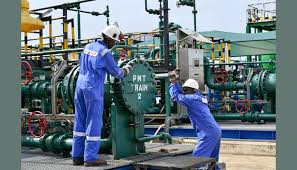
The company has also deployed technology to improve operational efficiency, including real-time emissions monitoring across pipelines, valves, and processing plants. A robust asset integrity program complements these efforts, helping identify and eliminate emission sources.
Beyond operational improvements, Seplat Energy is pursuing nature-based solutions to offset emissions. In Edo State, the company has launched an afforestation initiative, planting millions of trees over five years, with the first phase already completed. Investments in gas and LPG infrastructure aim to expand energy access and reduce dependence on firewood, charcoal, and other biomass fuels, particularly in peri-urban and rural communities. Following a recent offshore acquisition, LPG volumes previously exported are now directed to the domestic market, improving availability, affordability, and quality for households and businesses.
Mba highlighted the role of gas in powering Nigeria’s economy, especially for MSMEs reliant on self-generation due to limited grid capacity. He noted that while the national grid delivers about five gigawatts of electricity, much of the country’s power demand is met through petrol and diesel generators with higher emissions. “Replacing inefficient power sources with gas-powered solutions can achieve significant decarbonisation, but adequate financing is crucial,” he said.
The roundtable also featured the launch of the NGX Net-Zero Programme (N-Zero), designed to help listed companies define credible net-zero pathways, improve climate disclosures, and meet global investor expectations. The initiative is projected to unlock between $2.5 billion and $3.1 billion in climate-linked capital for Nigerian companies.
Umaru Kwairanga, Group Chairman of NGX Group, said Africa’s capital markets must lead in advancing climate action and sustainable growth, while Temi Popoola, Group Managing Director, highlighted that climate risk is now a key factor in investment decisions. Monika Beck from DEG emphasised that the partnership supports mobilisation of private capital for climate action with measurable development outcomes.
For MSMEs and the broader business community, Seplat Energy’s investments in gas and LPG infrastructure signal enhanced access to reliable, cleaner, and more affordable energy solutions, critical for business growth, job creation, and industrial development in Nigeria.
This approach positions the company not only as a key player in Nigeria’s energy transition but also as a catalyst for empowering businesses and MSMEs across the country.