The Centre for Enterprise Governance has warned that micro, small, and medium enterprises must adopt basic governance structures to survive and grow under Nigeria’s evolving tax reform regime, as accountability and enforcement continue to intensify.
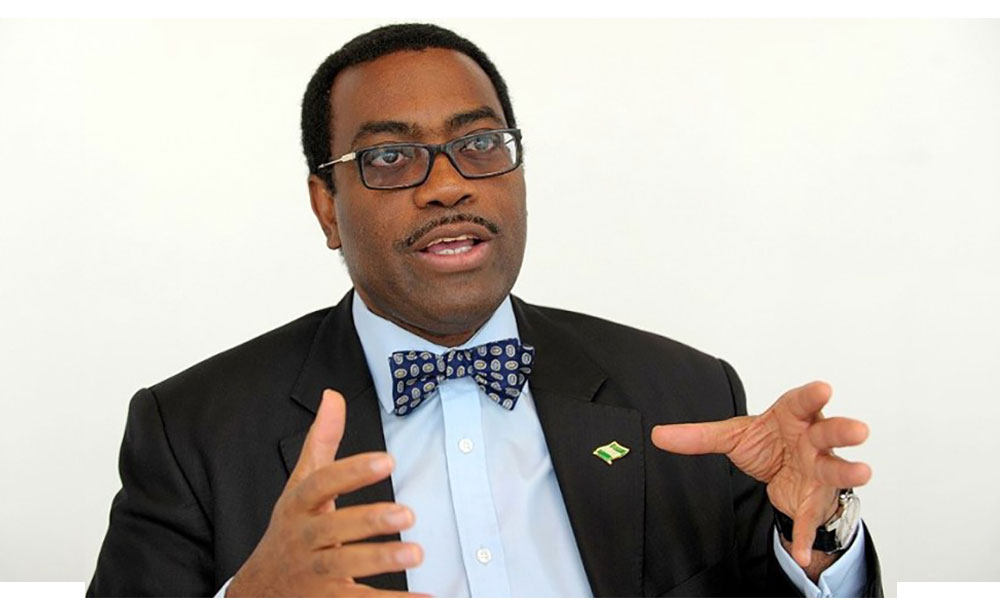
In a statement, the founder of the CEG said Nigeria’s business environment is shifting toward stronger formalisation, transparency, and compliance, making governance a necessity rather than a luxury for small businesses. He noted that ongoing tax reforms are expanding compliance expectations and strengthening enforcement, leaving poorly structured MSMEs exposed to serious operational and financial risks.
According to him, businesses without governance frameworks now face existential threats, while those with basic structures are better positioned to adapt, access opportunities and grow sustainably. He explained that weak internal systems remain a major constraint for many MSMEs, particularly in areas such as tax compliance and access to finance.
The CEG’s assessment shows that a large number of small businesses still operate informally, with undocumented decision-making, weak financial management, poor record-keeping, and limited understanding of regulatory and tax obligations. This, he said, increases the risk of incorrect filings, disallowed expenses, penalties, and disruptive audits.
He warned that the long-held belief that governance is only for large corporations is becoming increasingly dangerous, as MSMEs are now firmly embedded in regulated value chains and formal financial systems. Scale, he said, no longer shields businesses from scrutiny, and weak governance undermines credibility, funding access, and partnership opportunities.
The CEG advised MSMEs to adopt simple but effective governance practices, including clear roles and responsibilities, proper record-keeping, internal financial controls, defined compliance ownership and access to periodic advisory support. Strong governance, he added, would help businesses respond more effectively to tax reforms by improving the accuracy of filings, reducing disputes, and strengthening trust with regulators and financiers.
He urged MSMEs to prioritise governance reforms by formalising their records, separating personal and business finances, establishing routine compliance processes, and investing in structured governance education. He stressed that governance is now the operating system of sustainable enterprise, noting that shared training and advisory models are making it more affordable and accessible for small businesses.
Industry stakeholders have echoed similar views, noting that SMEs stand to gain from the new tax laws if they reposition internal processes, strengthen reporting systems, and deepen engagement with regulators. Analysts say retailers and other consumer-facing businesses, in particular, will need to adjust operations, pricing, and reporting practices to remain compliant under the new regime.