

The Managing Partner of Parasol BPO, Bankole Ojo-Medubi, has highlighted the transformative potential of skills-driven training in preparing Nigerian youth particularly women for opportunities in the global digital economy.
Speaking during an interview on Generation Ghana, Ojo-Medubi explained that Parasol BPO’s mission is to connect global businesses with skilled Nigerian talent. “Our goal is to ensure Nigerian professionals can compete on the global stage, not just locally,” he said.
Since its inception, Parasol BPO has delivered over 300,000 work hours to clients across the United States, United Kingdom, Europe, and Africa, while collecting critical data to improve the employability and competitiveness of Nigerian youth. Ojo-Medubi noted that today’s job seeker in Nigeria is no longer competing only within the country but alongside peers from India, Bangladesh, the Philippines, and Kenya. This global competition requires skills that are internationally relevant and in demand.
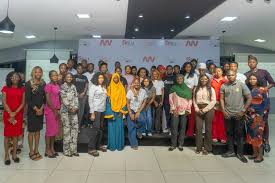
It is this reality that inspired Parasol BPO’s partnership with Generation Ghana, supported by The Coca-Cola Foundation, to launch a fully funded 14-week online Digital Marketing programme targeted at women in Abuja who aspire to careers in the digital space. Now in its second cohort, the programme builds on the success of a pilot phase held last year, which trained 15 women.
According to Ojo-Medubi, the pilot achieved remarkable outcomes, with about 70 per cent of participants securing employment within 90 days of completing the programme, and 96 per cent completing the training. Encouraged by this success, the second cohort was expanded to 20 participants, with plans to scale the initiative further across Nigeria. Similar programmes are already running in Ghana, where between 80 and 100 participants are currently enrolled.
The programme deliberately focuses on women due to their continued underrepresentation in the workforce. Ojo-Medubi emphasised that the initiative goes beyond advocacy, equipping women with high-demand skills, particularly in digital marketing, to ensure they are actively sought after by employers worldwide. “Digital marketing is one of the most in-demand skills in the world right now. Equipping women with these skills makes them highly competitive globally,” he said.
Ojo-Medubi also highlighted the economic impact of the programme, sharing that participants who previously earned modest local wages are now accessing global opportunities, often earning significantly higher incomes. “The ripple effect on families and communities is substantial,” he added, noting that skills-based training can transform livelihoods and stimulate broader socio-economic growth.
Looking ahead, Parasol BPO plans to expand the programme beyond Abuja to other states, including Kaduna, Kano, and Makurdi, leveraging the company’s existing offices to increase access. Ojo-Medubi also underscored the importance of partnerships, transparency, and storytelling in sustaining such initiatives. According to him, funders are more willing to invest when they can see measurable impact, while government involvement enhances the programme’s ability to address youth unemployment.
“With the right partnerships, everybody wins the trainees, the funders, the government, and the economy,” he said, urging for greater visibility and support for skills-based programmes that bridge the gap between education and the evolving demands of the global workplace.
The initiative demonstrates how targeted training, mentorship, and global exposure can empower Nigerian youth especially women equip them for competitive opportunities, and strengthen the country’s workforce in the digital age.