

The Federal Government has warned that power sector reforms could stall if the country fails to close the widening skills gap across its electricity value chain. At a stakeholder engagement organised by the National Power Training Institute of Nigeria in Abuja, sector leaders and development partners said workforce shortages are slowing the implementation of the Electricity Act 2023, digitalization efforts, metering expansion and renewable energy integration.
Hosted in partnership with Colenco and themed Building a Skilled and Sustainable Workforce for NESI Transformation, the event brought regulators, utilities and experts together to address manpower deficits that continue to undermine progress. NAPTIN’s Director-General said the energy transition is reshaping the Nigerian Electricity Supply Industry, creating new opportunities in renewable adoption, grid expansion and digital systems. He warned that these gains may not materialise without competent engineers and technicians to operate and maintain modern power infrastructure.
He stated that despite years of investment, the sector still struggles with weak alignment between training output and industry needs, limited collaboration, and a shortage of skilled professionals in emerging technologies. He stressed that without skilled personnel, infrastructure remains idle, investments fail to deliver impact and the country’s aspirations for stable and affordable electricity remain far from reach.
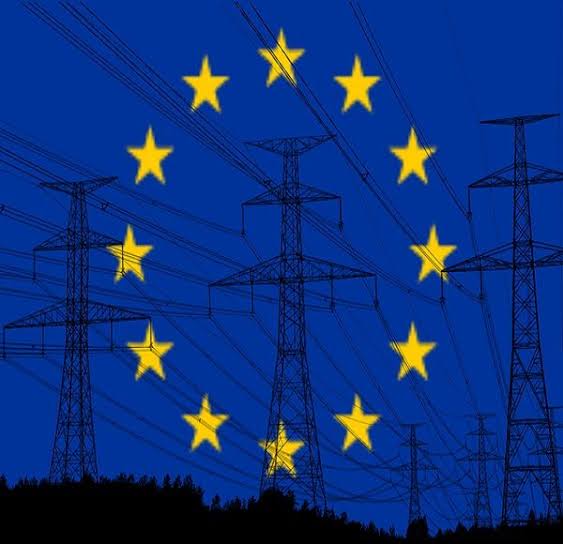
The European Union reaffirmed its commitment to Nigeria’s energy reforms, noting that it has invested more than €200 million in grants since 2008 to support policy reforms, capacity building and market growth. The union also announced a fresh renewable energy package worth €100 million to expand solar, wind and small hydropower deployment. Under its 2021–2027 programme, the EU plans to support Nigeria in adding about 400 megawatts of renewable capacity, expected to provide clean power to five million people.
The Ministry of Power, represented at the event, expressed concern over the severe capacity deficit in the distribution segment. Officials explained that privatisation left many companies with an ageing workforce that lacks modern technical training. The ministry aims to train 1,500 engineers and technicians annually but said inadequate funding and low private sector involvement continue to slow progress.
Nigeria is currently undergoing its most aggressive electricity reform in a decade, with decentralised state markets emerging under the Electricity Act 2023 and off-grid solar solutions expanding rapidly. Metering rollout, renewable penetration and digital power management are also accelerating. Stakeholders agreed that reforms will fail without a trained workforce to sustain and scale new systems.
With energy demand rising and new infrastructure coming online, industry players say Nigeria must prioritise talent development as seriously as infrastructure investment if it hopes to deliver reliable and affordable electricity to households, businesses and MSMEs.