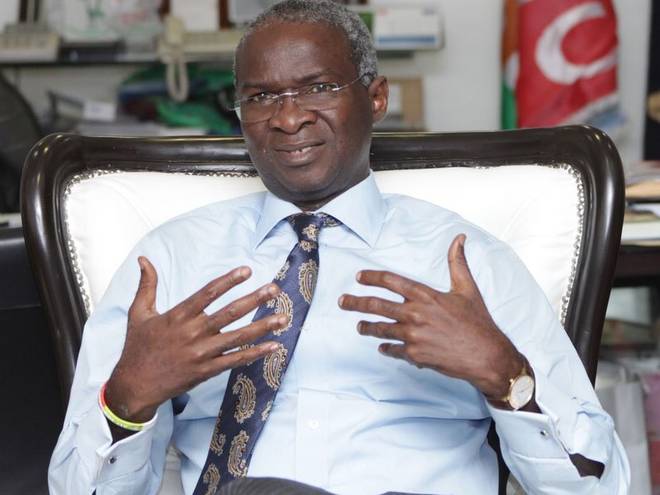
The Chief Executive Officer of New Chip Technology Limited, Jesufemi Adeogun, has urged the Federal Government to adopt more practical measures to strengthen small and medium-scale enterprises (SMEs) amid Nigeria’s challenging business environment.
Adeogun said current economic policies have yet to address the core operational difficulties confronting SMEs, particularly in major commercial clusters. He cited poor power supply as a major constraint, noting that business owners in areas such as Ikeja Computer Village are forced to rely heavily on generators and expensive fuel, a situation he said erodes profits and poses health risks.
He also criticised the poor state of infrastructure and telecommunications services in key business hubs, stressing that unreliable mobile network connectivity often leads to wasted time and financial losses for entrepreneurs. According to him, such challenges persist despite the fact that these areas generate significant economic value daily.
Adeogun called on the government to subsidise infrastructure in major business centres such as Computer Village and Alaba International Market, improve power supply, and reinforce telecommunications systems to support productivity and competitiveness.
While commending the government for granting tax reliefs to small businesses, he warned that many SMEs remain unaware that they are still required by law to file monthly tax returns despite the reliefs. He noted that this lack of awareness could expose entrepreneurs to penalties, undermining the intended benefits of the policy.
“There is no negligence under the law,” he said, urging authorities to intensify awareness campaigns so SMEs can fully benefit from existing incentives.
Highlighting his company’s contributions, Adeogun said New Chip Technology Limited has organised digitalisation and business development workshops in partnership with organisations such as Facebook, Google, NASIMA and various business associations to support SME growth.
He further proposed that the government consider acquiring minority equity stakes in thriving Nigerian-owned SMEs, similar to its investment approach with the Dangote Refinery. According to him, a five to 10 per cent government equity investment in high-performing SMEs could enhance business stability and strengthen the broader economy.
“Such direct investments, combined with improved infrastructure, would significantly reduce the rate at which SMEs struggle or collapse,” Adeogun added.