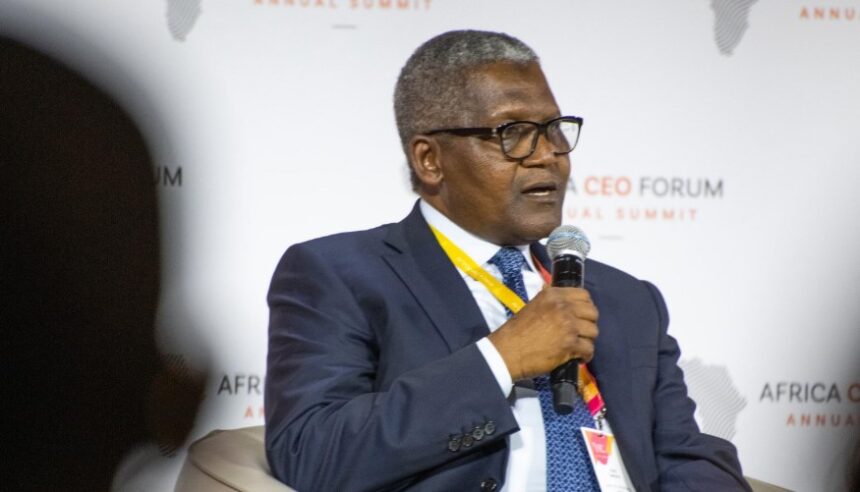
The Federal Government has partnered with a leading philanthropic foundation to launch a N100 billion annual scholarship fund designed to widen access to education for Nigerian students. The announcement was made in Lagos during an official unveiling attended by the Vice President, who described the initiative as a significant step toward closing long-standing gaps in human capital development. The new fund aims to support learners across different levels and ease the financial barriers that have kept millions out of school, with government officials emphasizing that improved access to education remains central to strengthening the country’s future workforce.
The foundation behind the intervention explained that the yearly allocation reflects its commitment to ensuring that capable students are not limited by lack of resources. The partnership also aligns with ongoing national efforts to reform the education sector, expand skills development and encourage stronger private-sector involvement in solving structural challenges.
The announcement comes on the heels of a major pledge made earlier in the year at an international forum in Qatar, where the foundation committed seven hundred million dollars to support education in Nigeria over the next decade. According to programme details shared at the event, the investment is expected to benefit more than one hundred and fifty-five thousand secondary and university students, with a particular focus on reducing the number of out-of-school children and expanding access to training that improves household income. The foundation’s representatives noted that Africa’s demographic growth makes partnership essential and stressed that sustained private investment is critical to building an inclusive future for the continent. They added that the ten-year programme will undergo a review after its initial phase to measure its impact.
The foundation also highlighted its ongoing investment in technical training. Its petrochemical project has already trained more than fifty thousand Nigerians to support operations at a large-scale refinery, and many of these workers are expected to take up expanded roles as the facility grows. This emphasis on skills reflects a broader trend in which corporate actors increasingly complement government initiatives aimed at boosting productivity and preparing young people for emerging sectors.
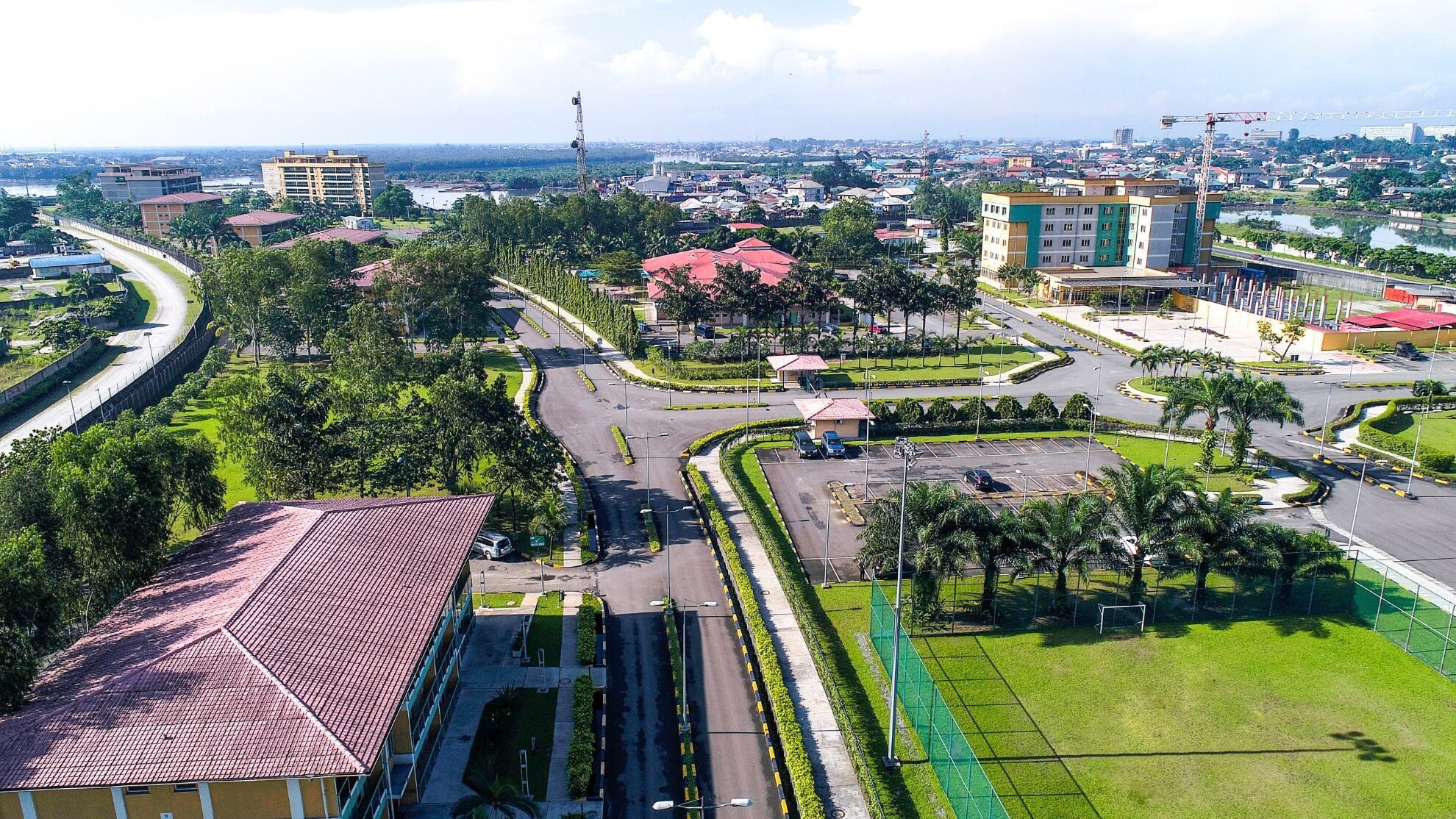
In the background of these social investments, the industrial group led by the philanthropist continues to expand its operations across cement, sugar, salt, petrochemicals and refining. Plans have been announced to double the capacity of its twenty-billion-dollar refinery in Lagos to 1.4 million barrels per day, a scale that would place it ahead of the world’s current largest refinery. The organisation behind these investments has a net worth estimated at over thirty billion dollars and continues to shape Africa’s industrial landscape.
For MSMEs across Africa, initiatives that expand education access and strengthen technical training play an important long-term role in improving the quality of labour, enhancing productivity and creating a more skilled workforce that small businesses can tap into. As the scholarship fund takes off, it is expected to support a new generation of learners whose improved skills and opportunities will gradually feed into job creation, business growth and economic resilience.