

The International Institute of Tropical Agriculture (IITA), the International Fund for Agricultural Development (IFAD), and several development partners have announced plans to expand the AgriHub programme, aiming to empower at least 30,000 rural youths across Nigeria. The announcement was made during a roundtable meeting in Abuja themed “Creating Rural Youth Employment Opportunities/Support to Agribusiness Hubs in Nigeria.”
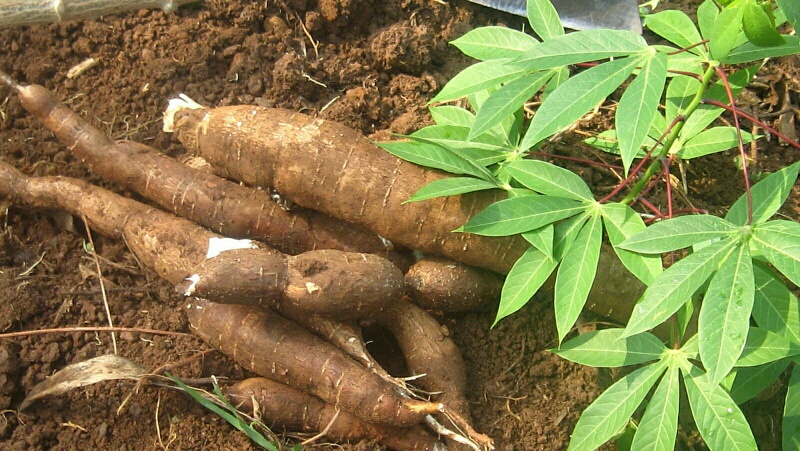
The initiative brings together development partners, government agencies, embassies, financiers, and private sector actors to unlock opportunities for young Nigerians across value chains such as rice, cassava, soybean, tomato, groundnut, and sesame.
IFAD Country Director, Dede Ekoue, noted that the first phase of the programme exceeded its targets, with youth employability surpassing 100 per cent and entrepreneurship support reaching 150 per cent of the initial goals. The pilot phase engaged over 7,000 youths, prompting the expansion to include the Niger Delta’s nine states, Benue, Enugu, Anambra, and eventually the North-East and North-West regions.
AgriHub Nigeria Project Coordinator at IITA, Adesanya Omotomiwa, explained that the scale-up will focus on fragile and conflict-affected areas, emphasizing hands-on training, job placement, and business support. Approximately 30 per cent of beneficiaries are expected to start their own agribusinesses.
Represented by Mrs. Iluromi Adebola, a director in the Ministry of Agriculture and Food Security, Minister Senator Abubakar Kyari affirmed that the programme aligns with President Bola Tinubu’s Renewed Hope Agenda. He highlighted the government’s commitment to leveraging innovation, skills development, and enterprise creation to transform Nigeria’s food systems.
Over the past five years, the AgriHub programme has created more than 7,000 jobs through the establishment of agribusiness hubs in rural and semi-urban districts. The initiative has been praised as one of the most impactful youth-focused agricultural interventions in Nigeria, thanks to its success in employability, enterprise creation, and market linkage.
Additional support for the programme comes from Germany’s Federal Ministry for Economic Cooperation and the Visa Foundation, ensuring that young Nigerians receive sustainable opportunities in agribusiness and rural enterprise development.