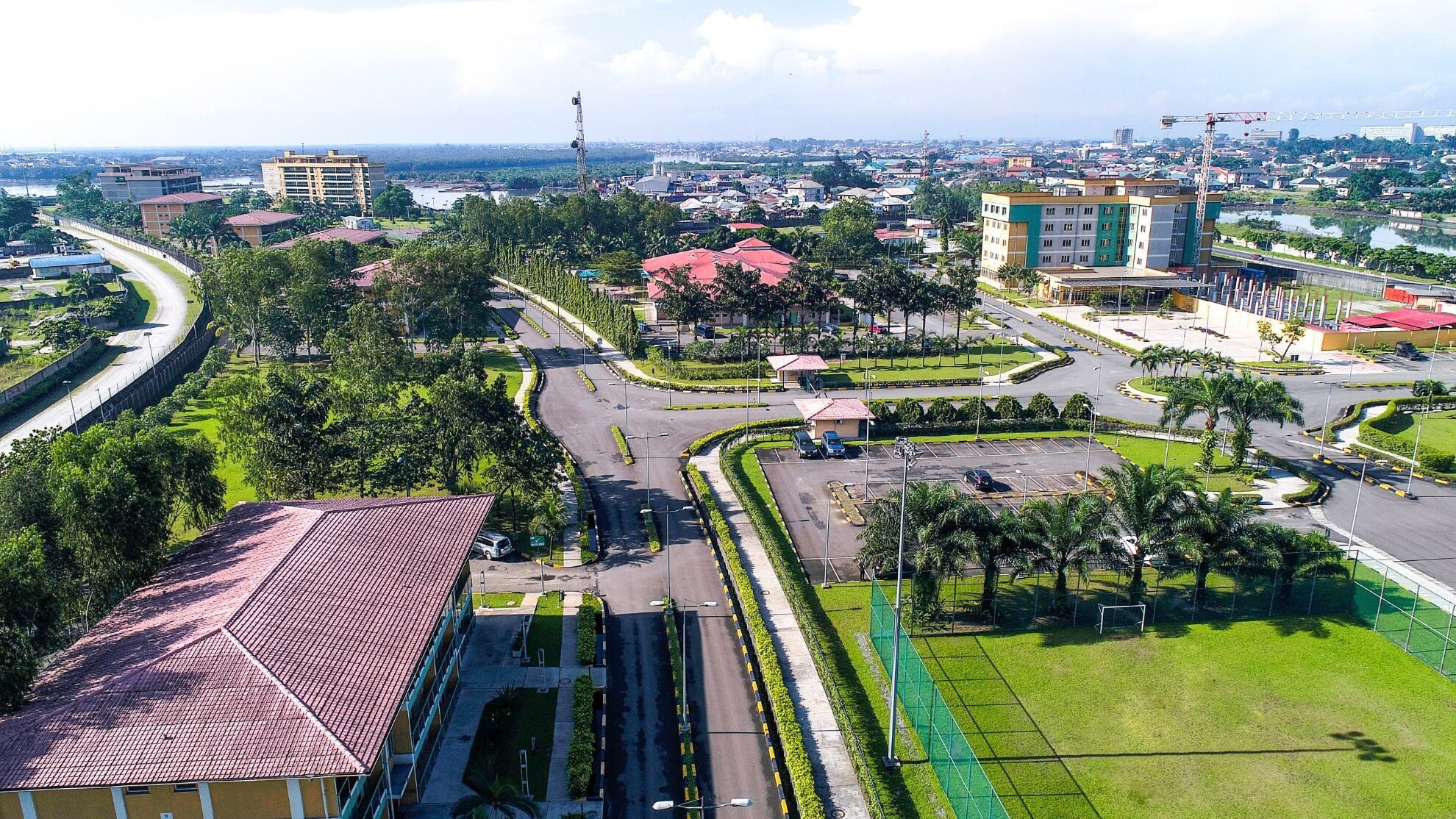



Lagos Free Zone Company has welcomed the Bank of Industry as a strategic investor in a move aimed at accelerating the development of a dedicated MSME hub and expanding Nigeria’s non-oil export capacity through the Lekki Deep Sea Port.
The investment strengthens the Zone’s long-term plan to position itself as a globally competitive industrial and logistics hub, while giving micro, small and medium-sized enterprises access to infrastructure and systems that are often beyond their reach. With direct connectivity to the Lekki Deep Sea Port, businesses operating within the Zone are expected to benefit from faster turnaround times, lower logistics costs and easier access to international markets.
The partnership is expected to play a crucial role in strengthening Nigeria’s industrial ecosystem by creating an environment that enables MSMEs to grow from small-scale operations into export-ready businesses. Access to reliable utilities, modern warehousing, efficient port services and regulatory support within the Zone is designed to remove some of the structural barriers that have historically limited MSME competitiveness.
Speaking during an inspection of the facilities, leadership of the development finance institution noted that the investment is focused on enabling Nigerian MSMEs to scale sustainably, compete globally and contribute meaningfully to the country’s economic transformation. The emphasis, according to the institution, is on long-term value creation rather than short-term financing.
Management of Lagos Free Zone Company described the partnership as a strong validation of the Zone’s vision to build an ecosystem where Nigerian businesses can pursue industrial growth and export ambitions with confidence. The collaboration, they said, opens new opportunities for local manufacturers and exporters to plug into global value chains.
For MSMEs, the development signals growing alignment between industrial infrastructure providers and development finance institutions to support non-oil exports, job creation and inclusive growth. As Nigeria continues to push for economic diversification, initiatives like this are increasingly seen as critical to helping small businesses move from local markets to regional and global trade.
The BOI investment marks another milestone in efforts to position Lagos Free Zone and the Lekki corridor as a key gateway for industrial production and export-led growth in Nigeria and across Africa.