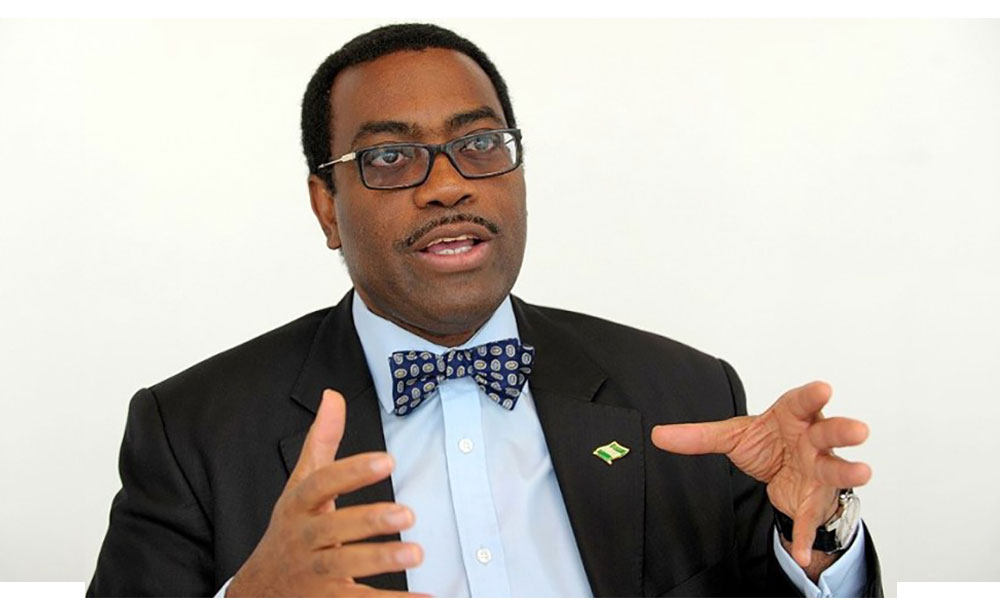
Taiwo Oyedele, Chairman of Nigeria’s Presidential Committee on Fiscal Policy and Tax Reforms, has called on the public and stakeholders to reject misinformation surrounding the recently gazetted tax laws, saying false claims are creating fear and uncertainty among citizens and businesses.
Addressing concerns over conflicting versions of the new tax laws circulating online, Oyedele clarified that the controversy is not a political dispute between the legislature and the executive but rather a governance and process issue concerning how documents are shared and understood.
The debate was sparked after a member of the House of Representatives claimed that multiple versions of the tax law were in circulation and that the officially gazetted copies differ from the version passed by the National Assembly. Oyedele rebutted this narrative during a TV interview, stressing that the viral document was circulating before any committee tasked with reviewing discrepancies had even convened.
“Tax policy directly affects citizens and lies at the heart of the social contract,” Oyedele said. “Reforms must be anchored in trust and facts, not fear or speculation, which only create uncertainty and undermine public confidence.”
He warned that spreading misinformation could derail meaningful reforms, distract from efforts to modernize the tax system, and weaken economic confidence especially among small businesses and entrepreneurs that rely on stability and clarity for growth.
Oyedele said this moment should instead be used to strengthen institutional processes, deepen accountability, and build a tax system that moves the country forward. He cautioned that rejecting or stalling reforms based on unverified claims would effectively preserve a broken system one that overtaxes workers, saddles small businesses with multiple nuisance taxes, and distorts economic activity.
Economic analysts agree that tax policy clarity is especially critical for MSMEs and investors, who depend on predictable fiscal frameworks to plan operations, secure financing, and expand market reach. Reducing uncertainty can help drive compliance, improve revenue collection, and support long-term economic growth in Nigeria and across the continent.