The Federal Government of Nigeria has intensified efforts to ensure safe schooling and uninterrupted learning in states where schools have recently reopened after temporary closures due to security challenges. The coordinated action plan, led by the Federal Ministry of Education, combines enhanced safety measures with digital learning support to help students, teachers, and communities adapt and thrive.
The move follows the reopening of all 47 Federal Unity Colleges that were previously shut down amid security concerns earlier this month, demonstrating the government’s commitment to returning students to classrooms securely.
In a statement, the Ministry of Education outlined a comprehensive strategy that combines school safety reinforcement with support for digital learning platforms, ensuring that students continue their education without disruption.
Key elements of the plan include:
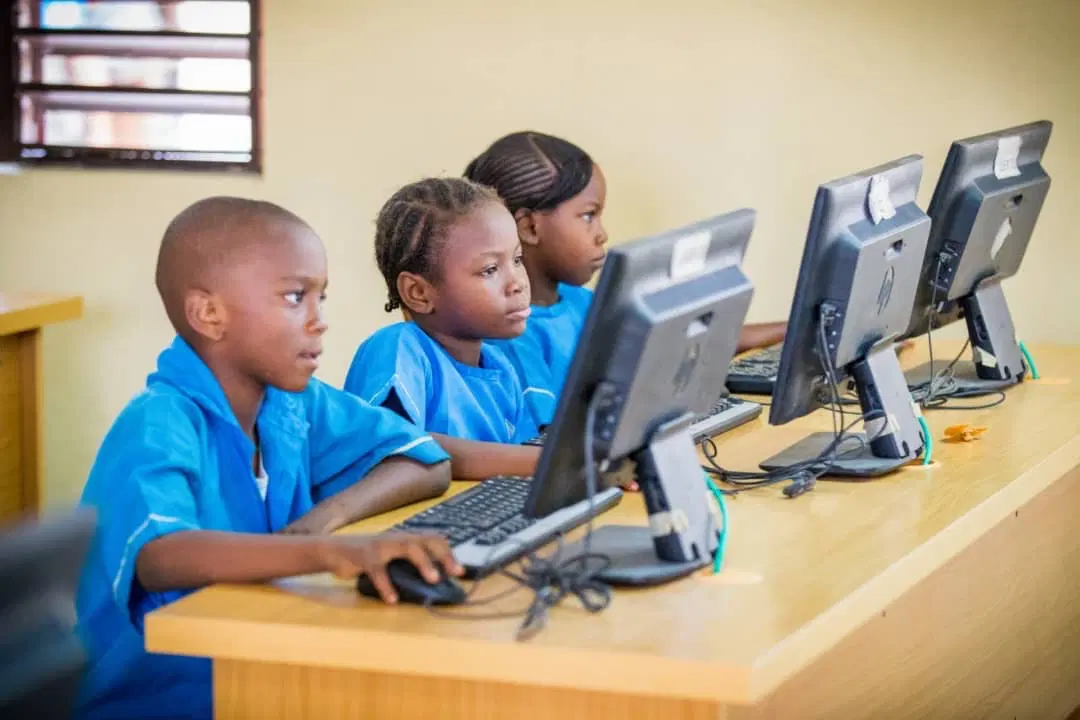
Deployment of learner support materials, including updated guides with QR codes and step-by-step instructions to help students and teachers access approved digital learning platforms.
Expanded use of online education tools such as Learning Passport, FME Inspire, and Ignite Online Learning portals, which are aligned with the national curriculum and supported by UNESCO, UNICEF, and UNDP.
Efforts to improve coordination with state education authorities, school administrators, and local stakeholders to stabilize learning environments and rebuild confidence among parents and communities.
The government also plans to boost medical and mental health services, including psychosocial support and counselling, for learners and teachers transitioning back into academic environments.
For micro, small, and medium enterprises (MSMEs) and local communities, a stable education system offers long-term economic benefits. Safe and predictable school environments help parents and guardians focus on work and business activities, while digital learning skills equip students, future entrepreneurs, and workers with practical knowledge critical for participation in the digital economy. Educational continuity reduces learning losses and supports the development of a digitally literate workforce, which strengthens productivity and innovation across sectors.
The Federal Ministry of Education has acknowledged the key role played by international partners, including UNICEF, UNESCO, and UNDP, in supporting both safety and digital learning initiatives. Officials say ongoing partnerships will help to sustain efforts that protect learners and expand access to digital education across reopened state schools.
The coordinated interventions reflect a broader commitment to ensuring education continues safely and without interruption, even amid challenges like insecurity. By safeguarding schools and enabling access to online learning platforms, the government aims to build resilience across the education sector and support students’ long-term growth.